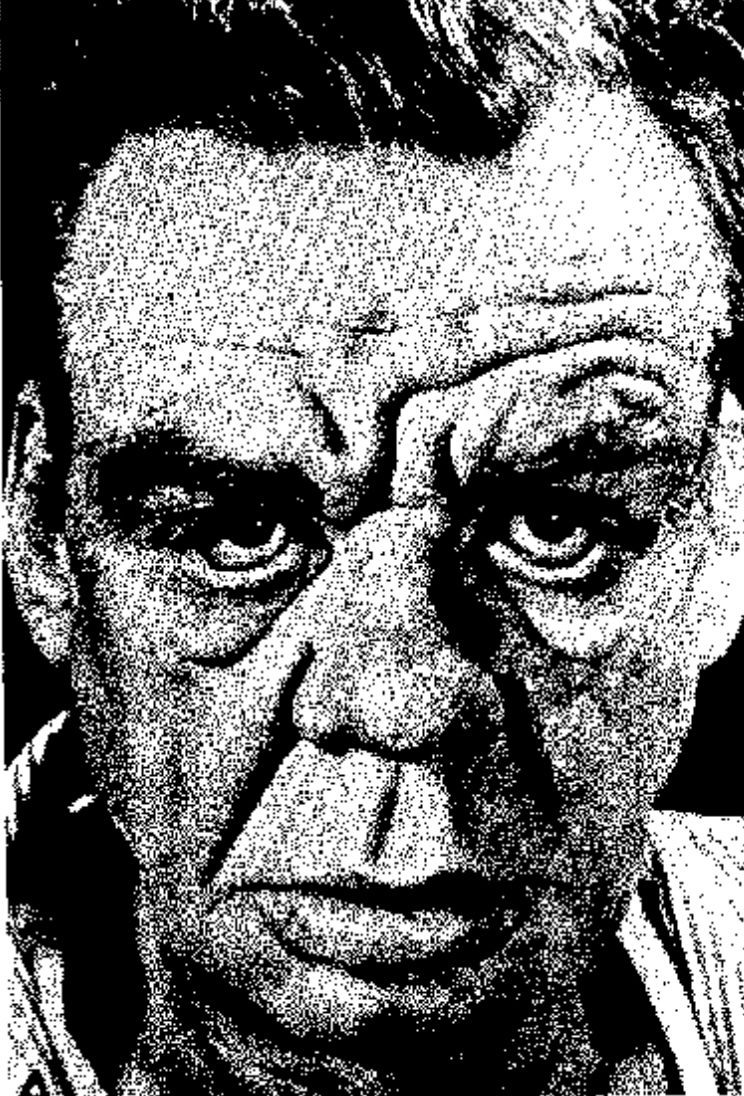
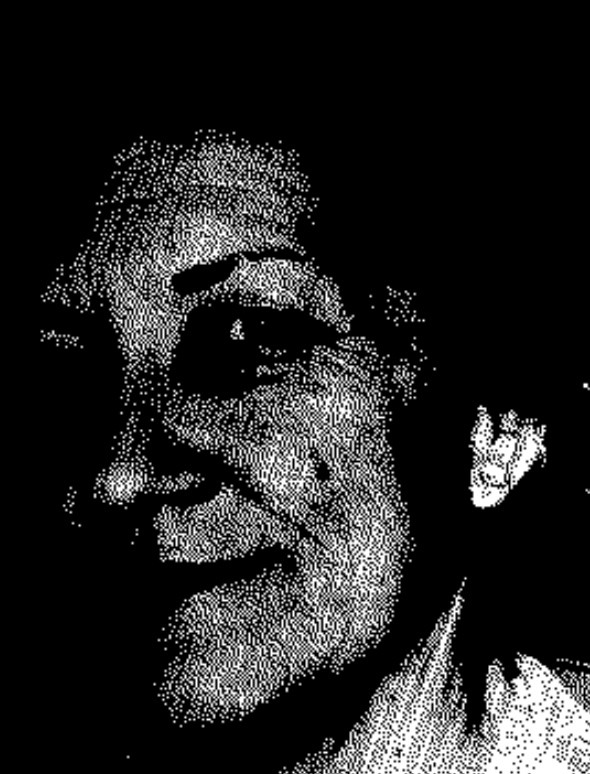
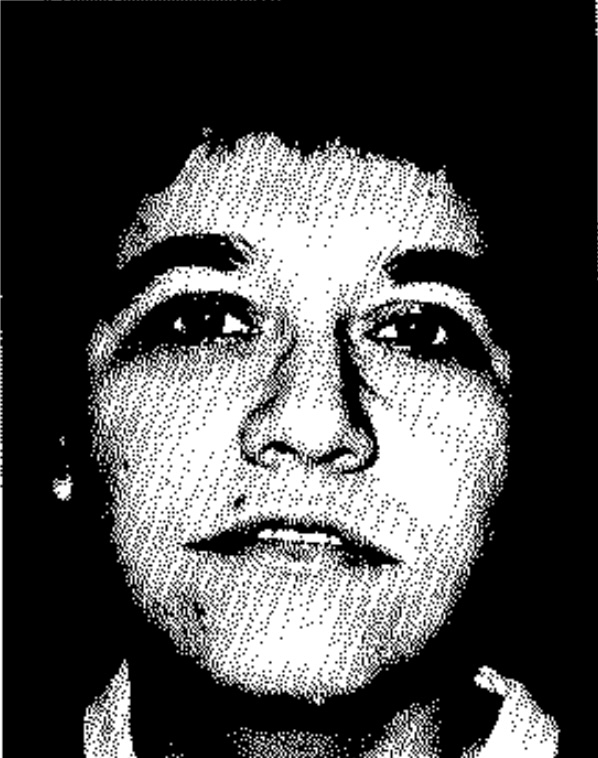
There is an old idea in cluster headache medicine that now feels half-forgotten and half-dangerous: that cluster headache has a face. Not just a symptom pattern. Not just unilateral pain, tearing, nasal congestion, Horner's syndrome and restlessness. A face. A recognisable look. The facies of cluster.
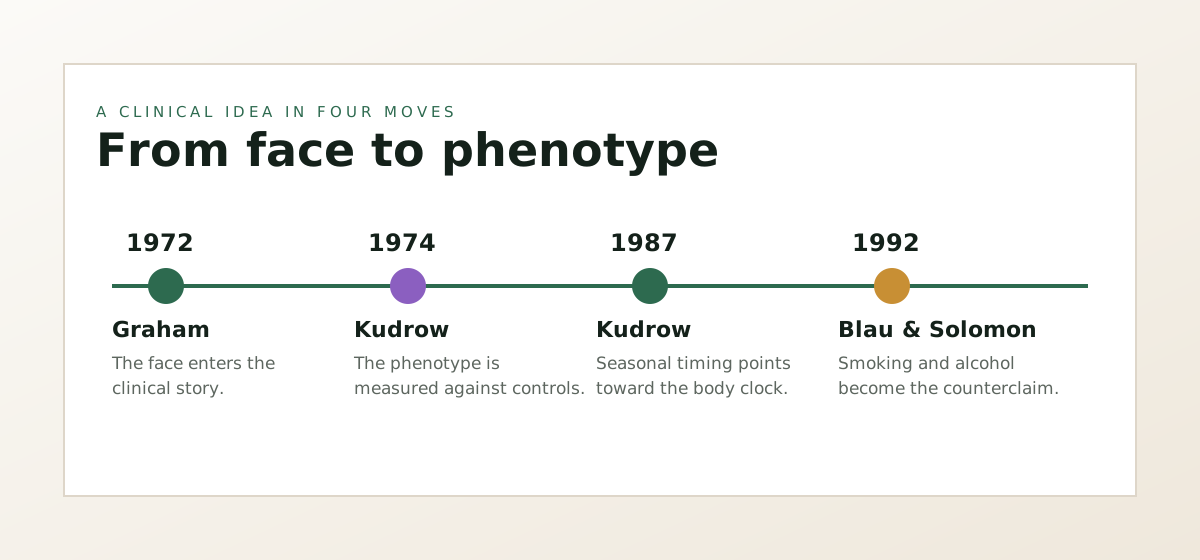
The idea sits in that uneasy borderland between clinical observation and stereotype. John R. Graham saw it, named it in almost literary terms, and tied it to the psychology of the patient. Lee Kudrow tried to measure it. Blau and Solomon later challenged it. Modern headache medicine mostly moved on.
But the old papers are still worth reading because they reveal something larger than an argument about cheek furrows or eye colour. They show clinicians trying to understand cluster headache as a whole-body, whole-person syndrome long before we had the contemporary language of hypothalamic dysfunction, chronobiology, trigeminal-autonomic activation, sleep-state switching and central pain modulation.
The face Graham thought he recognised
Graham's descriptions from the early 1970s are striking. He wrote about a ruddy complexion, thick furrowed skin, telangiectases across the nose and cheeks, deep forehead and cheek creases, coarse "orange peel" skin, square jaws, heavy brows, athletic builds and a kind of rugged masculine presentation that he called leonine.
He did not mean every cluster headache patient looked this way. Even in his own writing, there is an awareness that these features are not unique to cluster headache. Lots of people can look rugged, weathered, strong-featured or heavily lined. His question was not simply "why do these people have this face?" It was "why do some of the people with this face also seem vulnerable to this peculiar, violent, clock-like headache?"
That is where Graham's thinking became more psychological. He linked the outward "lion" to an inward pattern of dependency, suppressed anger, ambition, exhaustion, reluctance to disclose weakness and collapse after prolonged strain. The famous "leonine mouse" image came from this contrast: the patient who looks powerful, self-contained and formidable, but is often carried through the medical system by someone else, usually a spouse, while the private structure underneath is far more vulnerable.
The phrase is uncomfortable now, and it should be handled carefully. It is not a diagnosis. It is not blame. It is an old clinical metaphor for a contradiction many patients still recognise: the body performs strength while the nervous system is living under siege.
Kudrow tried to test the phenotype
Lee Kudrow's 1974 paper, Physical and personality characteristics in cluster headache, took Graham's observations and treated them as a testable problem. Kudrow compared cluster headache patients with non-cluster controls across stature, eye colour, haemoglobin, smoking, alcohol use and personality testing.
The numbers are memorable. In Kudrow's sample, male cluster patients were taller on average than controls: 71.4 inches compared with 68.5 inches. Hazel eye colour was reported in 38% of cluster patients compared with about 9-10% in control groups. Smoking was extremely common: 94% of the cluster group smoked, averaging 32 cigarettes per day. Alcohol use was also higher: 91% drank, and 61% were classed as moderate to excessive drinkers by the definitions used in the paper.
On 16PF personality testing, Kudrow reported a pattern of reserve, self-sufficiency, control, conscientiousness and tension. His interpretation was that the physical findings, habits and personality traits belonged together. He did not simply accept Graham's facies as a mysterious biological stamp. He proposed that heavy smoking and alcohol use might themselves produce the skin changes Graham had described.
That is important. Kudrow's paper is often remembered as confirming a distinctive cluster phenotype. But within the same paper, the "cluster facies" is already being pulled apart. Is it constitutional? Is it genetic? Is it behavioural? Is it secondary to smoking? Is it related to alcohol? Is it a visible marker of stress physiology? Kudrow leaves more than one door open.
The 1992 challenge: maybe it was smoking and alcohol
In 1992, Blau and Solomon wrote a short letter in Headache that cut directly at the romantic version of the idea. They noted the high incidence of smoking and alcohol intake reported in cluster headache patients and suggested this could explain the leonine appearance. Smokers' facies had already been described elsewhere. Alcohol can affect facial skin and vascular appearance. Many clinicians, they wrote, had seen patients with cluster headache who did not particularly look like lions.
Their proposed test was simple: compare patients with leonine facies against patients without it, and ask whether smoking or alcohol exposure separates the groups. In other words, stop treating the face as an emblem and treat it as a hypothesis.
That critique matters because cluster headache patients have already endured enough mythology. The condition has been called a suicide headache. It has been mistaken for dental disease, sinus disease, migraine, madness, weakness, substance use, panic, and attention-seeking. Any claim that "cluster patients look like this" has to be handled with humility.
What survives the old idea?
The literal facies claim probably does not survive as a clean diagnostic concept. You cannot look at a face and diagnose cluster headache. You cannot look at a patient who lacks that face and exclude it. Modern diagnostic criteria rightly focus on attack pattern, duration, autonomic signs, restlessness, periodicity and exclusion of mimics.
But something in the old phenotype literature still feels alive. Graham and Kudrow were not only looking at faces. They were looking for a pattern that connected visible autonomic signs, body type, endocrine hints, smoking, alcohol, sleep, stress, seasonal recurrence, pain behaviour and personality. Much of their language has aged badly. Some of their psychodynamic claims are impossible to separate from the male clinical culture of the time. But the instinct to see cluster headache as systemic was not wrong.
We now know cluster headache is deeply tied to the trigeminal-autonomic reflex, cranial parasympathetic activation, hypothalamic timing, circadian and circannual rhythm, sleep-state transitions and altered pain processing. Kudrow's later work on natural illumination found that cluster period onsets in 404 male episodic patients showed seasonal peaks related to changes in daylight, supporting a photoperiodic, body-clock interpretation. That is a long way from "the face", but it belongs to the same search for the shape of the disease beyond the attack itself.
The lionine mouse, revisited
This is where the facies story ties into The Lion in the Mirror. The older papers were trying, sometimes clumsily, to describe the contradiction many cluster patients live with. The attack is visibly animal, violent and restless. The patient often looks strong because many patients have spent a lifetime functioning through pain, pressure or emotional control. Yet the nervous system is not strong in the simplistic sense. It is reactive, rhythmic, sensitised and capable of turning ordinary transitions into catastrophe.
Graham's "leonine mouse" should not be preserved as a label to put on patients. It is more useful as a question: what happens when a person organised around endurance, control and performance carries a disorder that attacks during relaxation, sleep, seasonal transition and letdown?
That question still feels modern. Cluster headache often appears at night, after exertion, after alcohol during an active bout, after the body shifts state, after the guard comes down. It is a disorder of thresholds and transitions. The lion image was never really about a jawline. It was about the failure of armour.
A better way to read the face
If there is a "facies of cluster", it should not mean a fixed look shared by all patients. It should mean the visible trace of repeated autonomic storm, sleep disruption, pain behaviour, lifestyle adaptation, stress physiology and old-fashioned clinical selection bias.
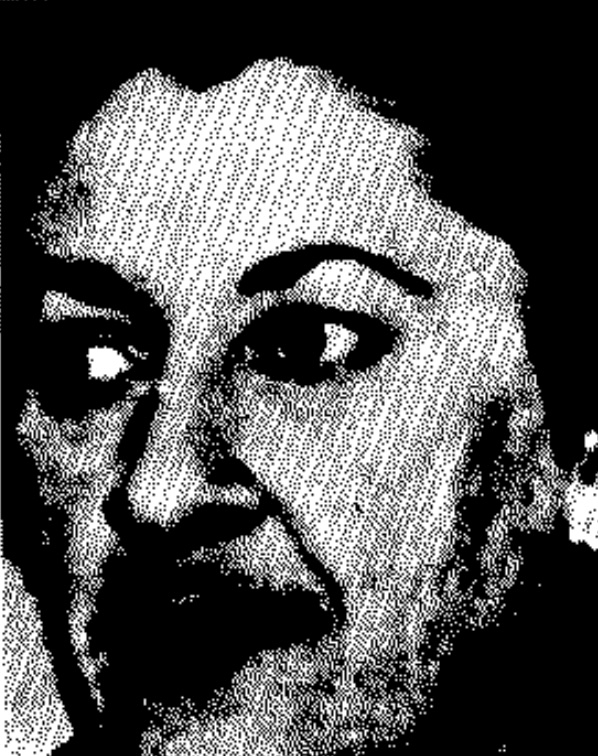
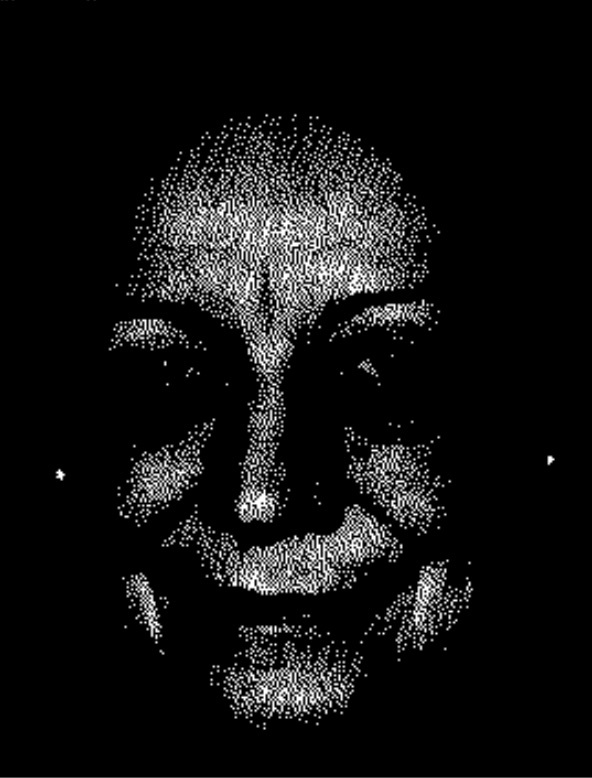
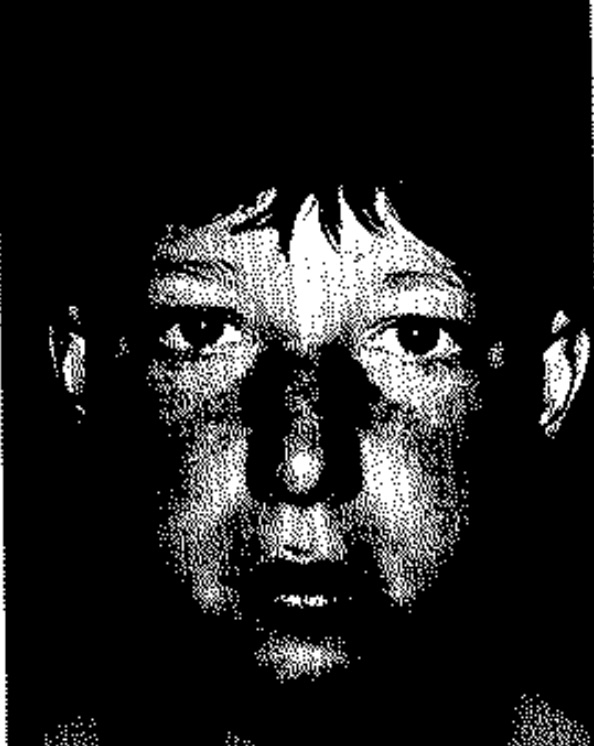
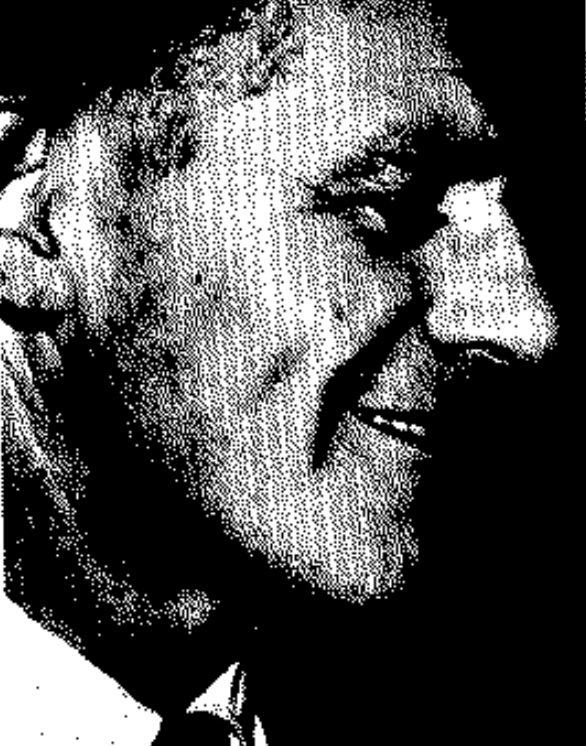
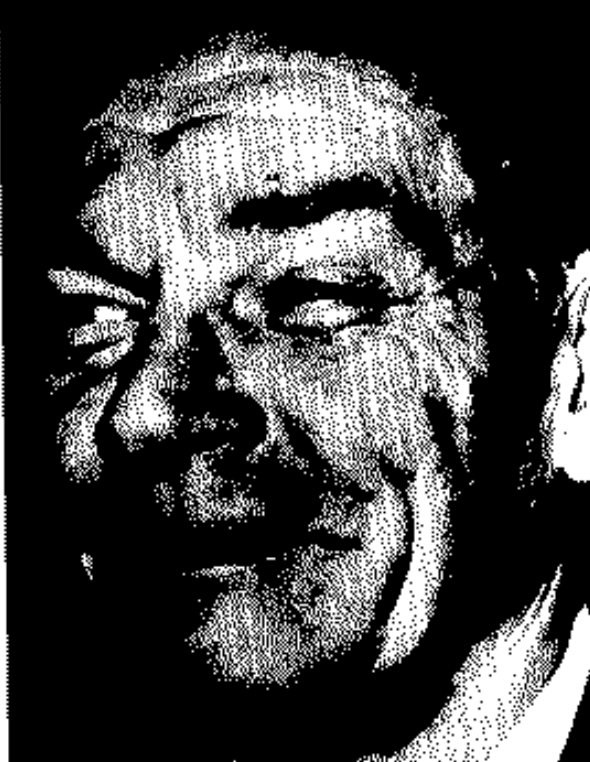
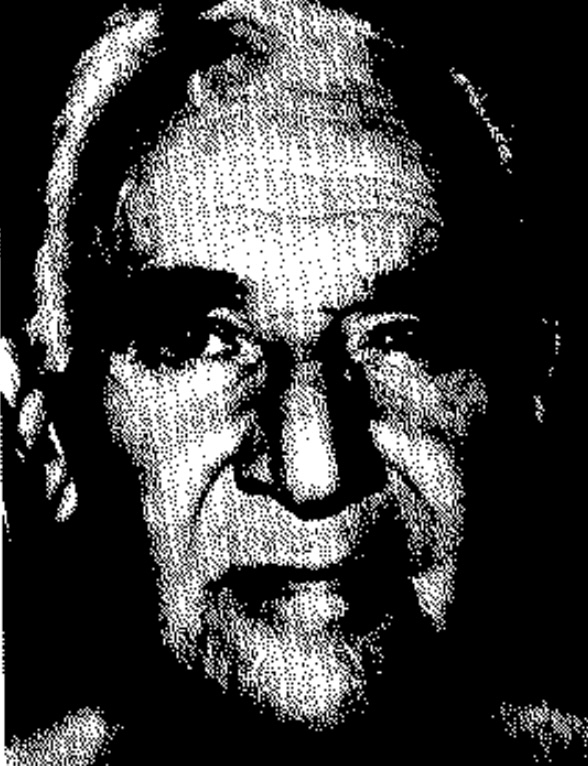
Some patients may have permanent or semi-permanent Horner's signs: smaller pupil, slight droop, apparent enophthalmos. Some may show facial flushing, tearing, sweating or vascular changes during attacks. Some may carry the effects of decades of smoking because nicotine was common in older cohorts and may have been used for arousal, coping or habit. Some may show nothing at all between attacks except exhaustion.
The point is not to resurrect the stereotype. The point is to rescue the better question underneath it. Cluster headache is not just pain in the head. It is a disorder with a face, a clock, a nervous system, a social history, a behavioural signature and a psychology shaped by survival.
Graham saw the lion. Kudrow tried to count its features. Blau and Solomon warned that the lion might partly be smoke and alcohol written into skin. Today, the more useful answer is probably this: the face is not the disease, but the old argument about the face was an early attempt to describe the disease as something larger than pain.
References
- Graham JR. Cluster headache. Headache. 1972;11(4):175-185. doi:10.1111/j.1526-4610.1972.hed1104175.x.
- Graham JR. Cluster headache. Postgraduate Medicine. 1974;56(3):181-185. doi:10.1080/00325481.1974.11713853.
- Kudrow L. Physical and personality characteristics in cluster headache. Headache. 1974;13(4):197-202. doi:10.1111/j.1526-4610.1974.hed1304197.x.
- Kudrow L. The cyclic relationship of natural illumination to cluster period frequency. Cephalalgia. 1987.
- Blau N, Solomon F. Leonine facial appearances in cluster headache patients. Headache. 1992;32(10):516. doi:10.1111/j.1526-4610.1992.hed3210516.x.