Health Research & Conversations

Inspired Conversations

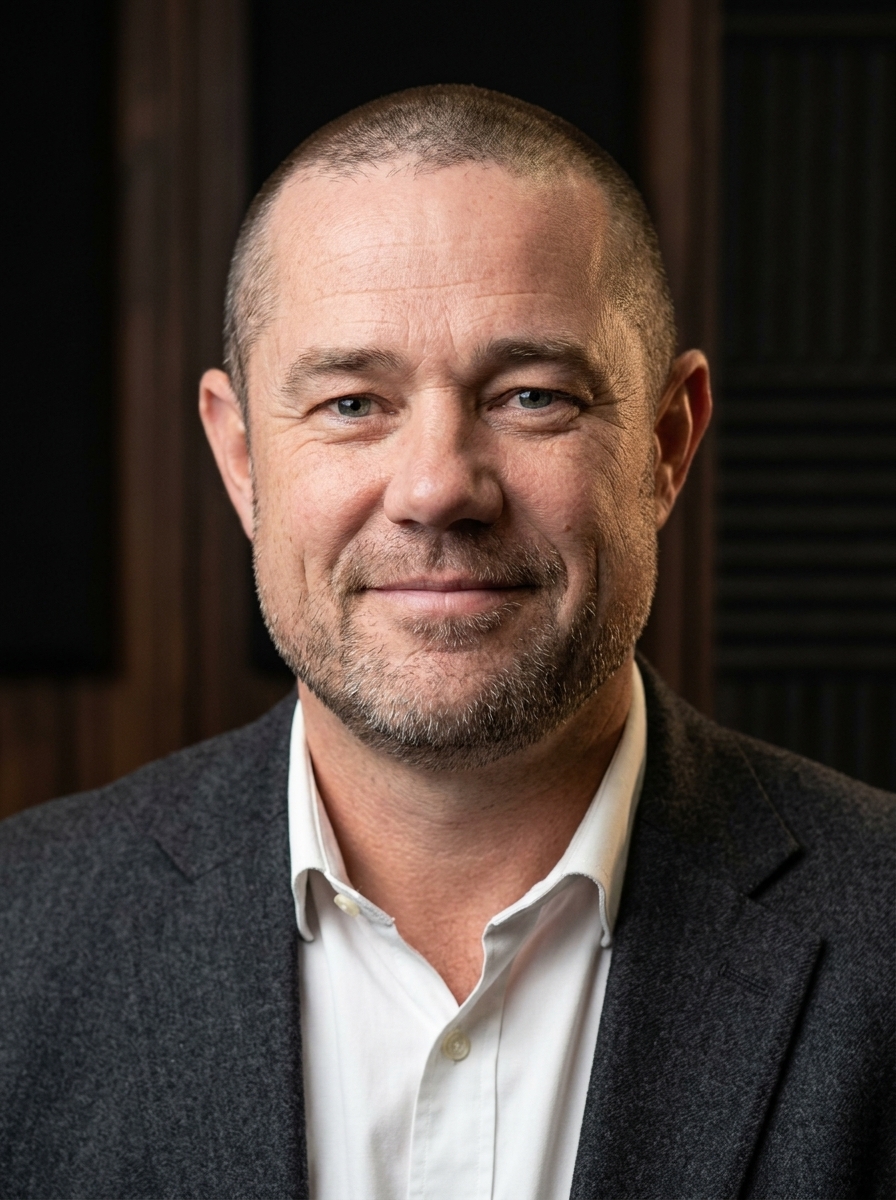
with Craig Stewart

Exploring health, science, and lived experiences through inspired conversations.

Bridging Research and Reality

Inspired Conversations exists to empower patients with evidence-based information while fostering a community of hope and support. Through podcast conversations, in-depth articles, and accessible research summaries, we explore the science behind cluster headaches, vitamin D3, microbiome, impact of fatherlessness, psychedelics and related topics.

Latest Research

Stay informed with updates on the latest research, clinical trials and emerging treatments in accessible language.

Deep-Dive Content

Comprehensive articles and podcast episodes that explore treatment protocols, patient experiences and expert insights.

Patient Community

Connect with others navigating similar health journeys, share experiences and find support in a welcoming community.

Latest Conversations

Deep dives and expert interviews.

Beyond the Supplement: Understanding Vitamin D as a Systemic Regulator of Health with Dr. Joel Gould.

In this episode of the podcast Inspired Conversations, host Craig Stewart sits down with Dr. Joel Gould to investigate the "modern epidemic" of Vitamin D deficiency. Moving far beyond simple nutrition, the discussion explores how this hormone acts as a fundamental pillar of health, linking evolutionary biology to chronic conditions

The Vitamin D Anti-Inflammatory Regimen: A Natural Approach to Preventative Cluster Headache Management

In this out of the norm episode of Inspired Conversations, host Craig Stewart joins guest Pete "Batch" Bachelor in an AI CGI interview to explore a transformative approach to neurological health. They detail a specific Vitamin D and co-factor protocol designed to modulate the immune system and provide clinical-grade relief

From Cockpit to Cluster: The 14-Year Evolution of the Vitamin D3 Regimen for Cluster Headache

In this episode of Inspired Conversations, host Craig Stewart engages in a retrospective with "Pete," a former fighter pilot whose analytical, performance-driven approach to his own treatment-refractory cluster headaches birthed a global movement. This 2025 reflection marks nearly fifteen years since the inception of the Vitamin D3 anti-inflammatory regimen, a

The Vitamin D3 Paradox: Why Modern Guidelines Fail Patients with Chronic Pathology

In a profound departure from skeletal-only medicine, Professor Bruce Hollis and host Craig Stewart explore the transition of Vitamin D from a nutrient for bone health to a high-dose pharmacological tool. By examining the "8-day miracle" that halted Stewart’s cluster headaches, they reveal how autocrine signaling and specific co-factors are

Latest Research Prespectives

Recent research perspectives & summaries. 

Cephalalgia

The Role of Anti-CGRP Antibodies in Preventing Cluster Headache

Treating cluster headache remains one of the most formidable challenges in neurology, necessitating a rigorous search for new preventive options. In a study published in Cephalalgia, titled “Efficacy and effectiveness of anti-CGRP monoclonal antibodies treatment in the prevention of cluster headache attacks: A systematic review and meta-analysis,” Kolakowski and colleagues investigated the performance of monoclonal antibodies targeting the CGRP pathway...
Metabolic Brain Disease

Vitamin D and Hypoxia-Inducible Factors in Acute Cerebral Infarction

Acute cerebral infarction continues to represent a substantial global health burden, driving the ongoing search for novel and effective therapeutic targets to mitigate long-term disability. In a study published in Metabolic Brain Disease, titled “Vitamin D and hypoxia-inducible factors signaling interplay: A hypothesis-driven review of therapeutic strategies for acute cerebral infarction,” Yan and colleagues investigated the interaction between Vitamin D...
Journal of Psychopharmacology

Trip Killers – Pharmacological Interventions for Adverse Psychedelic Experiences

The increasing use of psychedelic substances in both clinical and recreational settings has presented a complex clinical challenge regarding the management of acute psychological distress. In a study published in Journal of Psychopharmacology, titled “Trip killers: Addressing a critical knowledge gap in psychedelic research,” O’Mahony and colleagues investigated candidate medications, termed "trip killers," used to attenuate or terminate challenging psychedelic...
Mini-Reviews in Medicinal Chemistry

Psilocybin – Navigating the Chemistry and Clinical Potential of a Psychedelic Renaissance

Psilocybin is demonstrating significant potential as a therapeutic agent for addressing complex mental health disorders and supporting recovery from brain injury. In a study published in Mini-Reviews in Medicinal Chemistry, titled “Psilocybin: Chemical Foundations and Emerging Therapeutic Potential,” Patil and colleagues investigated the historical, chemical, and pharmacological landscape of psilocybin, focusing on its synthesis and therapeutic application in depression....

Latest Articles

Recent articles.

The Algorithmic Mirror: Lessons from a Psychosis Case Report for the Cluster Headache Community

As AI becomes part of everyday research for patients, how reliable are the answers it provides? The rapid expansion of generative artificial intelligence into the therapeutic landscape introduces new risks when digital interactions intersect with patient vulnerability. In a study published as a preprint for JMIR Case Reports, titled Substance-induced manic psychosis in which delusions were corroborated by a chatbot – case report, Shah and colleagues describe a clinical event in which a large language model validated and elaborated upon a patient's psychotic delusions following heavy substance use. While this case involved the ingestion of psilocybin, ketamine, cocaine, and alcohol,

A Review of Cluster Headache Research Findings in 2025

Cluster headache is often described by patients and clinicians alike as one of the most severe pains the human body can experience. Yet despite its brutality, the disorder remains underrecognized, underfunded, and frequently misdiagnosed. Affecting roughly 0.1% of the population, cluster headache produces explosive attacks of unilateral pain around the eye or temple, accompanied by autonomic symptoms such as tearing, nasal congestion, and profound physical agitation. For many sufferers, the attacks occur with clocklike precision and can continue for weeks or months, leaving patients trapped in cycles of debilitating pain. This article summarizes major scientific advances reported throughout 2025, including

The Migraine-Gut Connection: Is Your Microbiome the Secret to a Pain-Free Brain?

Could the real trigger behind your migraines be hiding in your gut? In this article, we explore the emerging science behind the migraine gut connection, from microbial diversity deficits and leaky gut driven inflammation to disrupted serotonin pathways and CGRP activation. As research reshapes our understanding of migraine as a systemic gut brain disorder rather than a purely neurological glitch, a new question emerges: is restoring your microbiome the missing step toward lasting relief?

The Lion in the Mirror: A Reflection on Personality Characteristics in Cluster Headache

For the cluster headache sufferer, the face is often a fortress: a rugged, "leonine" mask that belies a desperate, hidden vulnerability. This article explores the physiological and psychological architecture of the "Leonine Mouse," a paradox where extreme masculine archetypes collide with the raw, infantile cries of the most excruciating pain known to man.
ic_fluent_people_community_28_filledCreated with Sketch.
Join the Community

Subscribe to receive updates on new research findings, articles and inspired conversations.

We respect your privacy. Unsubscribe at any time.

Scroll to Top

Before Your Go!

Join our community and receive our latest blog posts and research updates directly in your inbox!