The Lion in the Mirror: A Reflection on Personality Characteristics in Cluster Headache

For the cluster headache sufferer, the face is often a fortress: a rugged, “leonine” mask that belies a desperate, hidden vulnerability. This article explores the physiological and psychological architecture of the “Leonine Mouse,” a paradox where extreme masculine archetypes collide with the raw, infantile cries of the most excruciating pain known to man.

Introduction

The clinical world knows it as the “suicide headache.” It is an experience of neurological torture so visceral that it exists beyond the boundaries of standard medical description. For 15 to 180 minutes, a unilateral firestorm consumes the eye and temple, driving patients to bang their heads against walls or contemplate the finality of death just to escape the clockwork of their own brains. As both a researcher and a Cluster Headache (CH) warrior, I have long been haunted by a central research question: Why does this specific neurological cruelty seem to select for a very specific physical and psychological profile? Recent research, such as the work by Muñoz et al. (2016), suggests that those of us who carry this burden often share a distinct personality landscape. 

Whilst I have achieved an 11-year silence from the pain of CH, a remarkable success I attribute to the Vitamin D Regimen (www.vitamindregimen.com), my journey has led me to become a student of its intricate mechanics. In an effort to truly understand CH, one must confront the physical and emotional masks that I believe serve as trait level markers of our condition.

The Leonine Mask: Physicality as Destiny

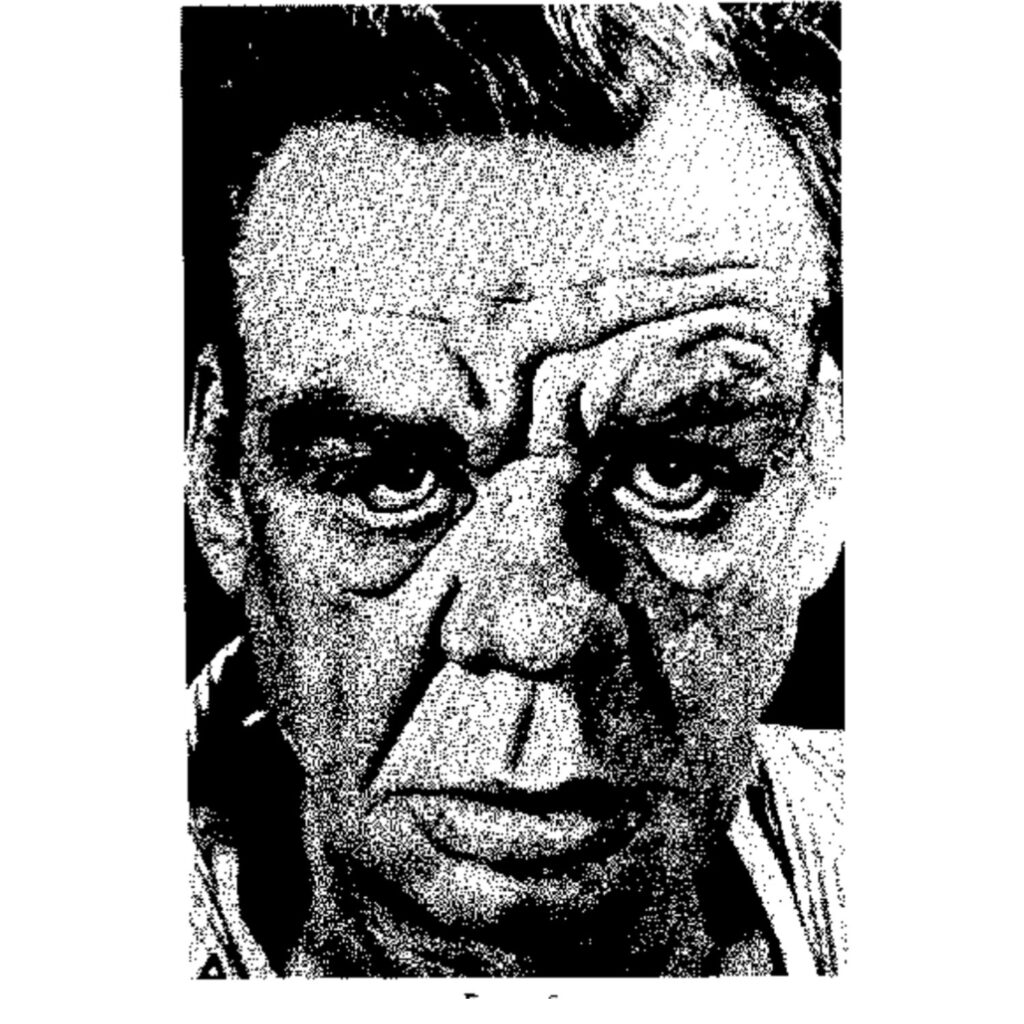
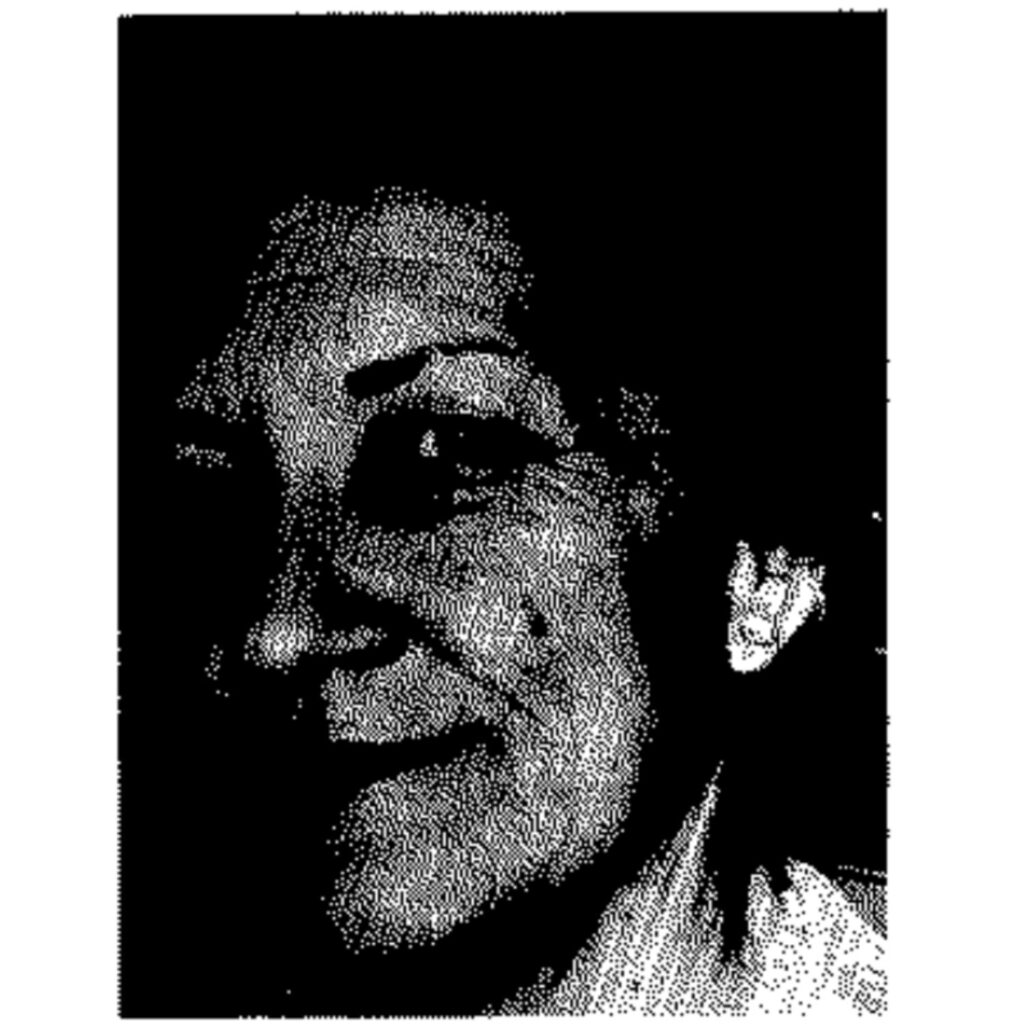
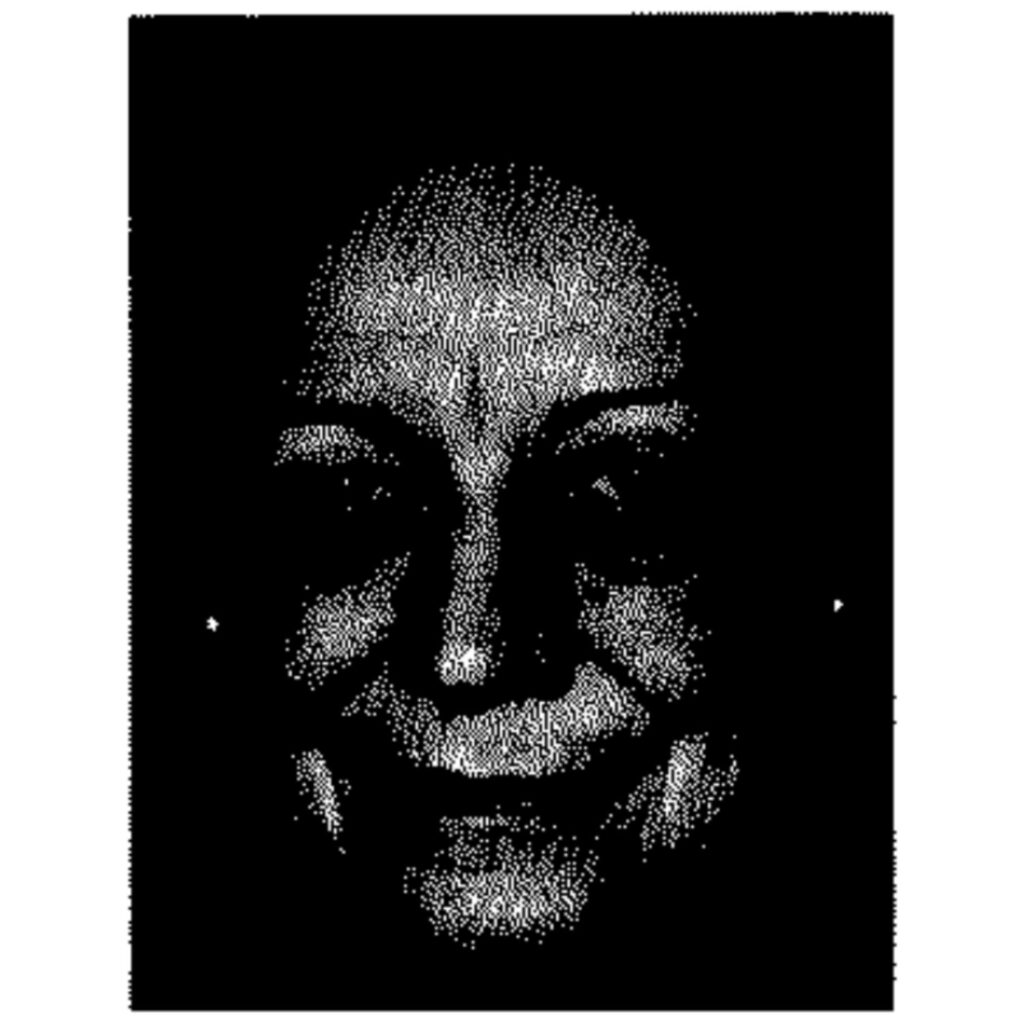
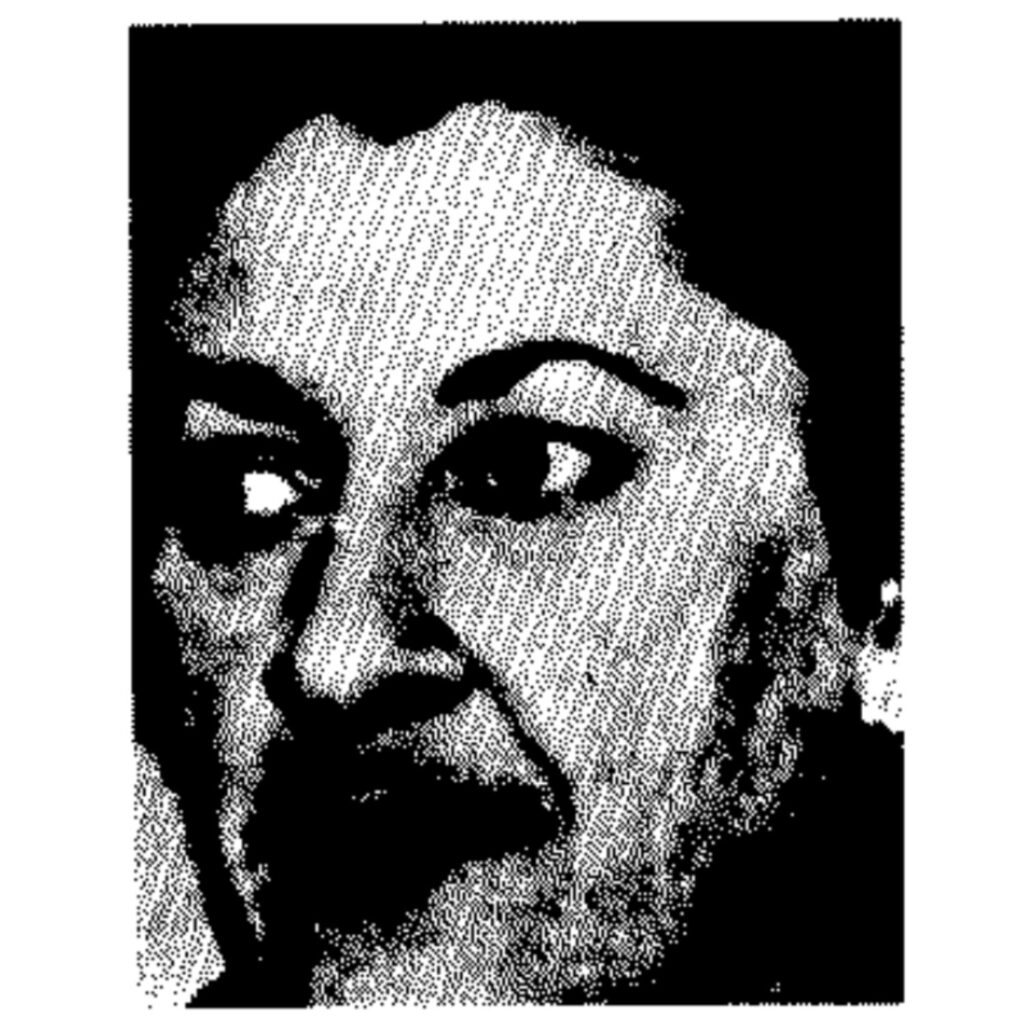
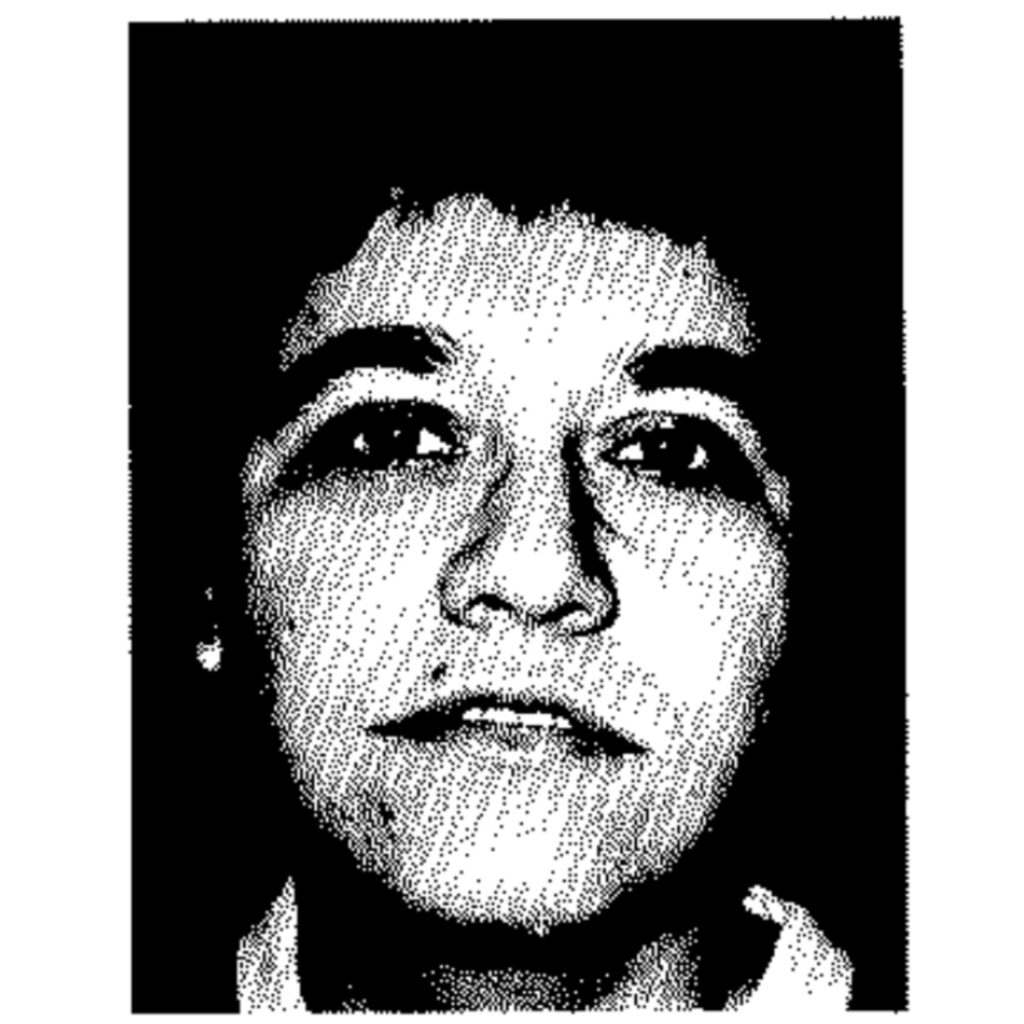
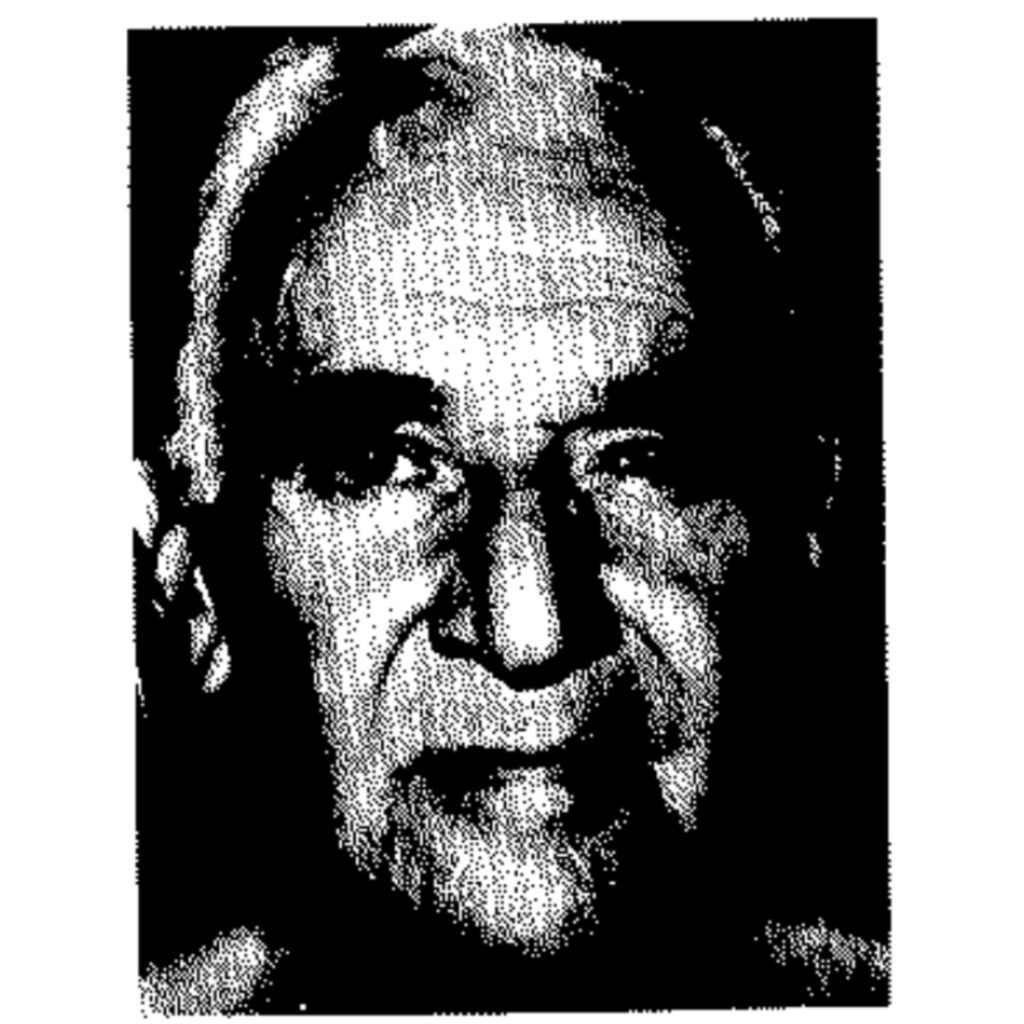
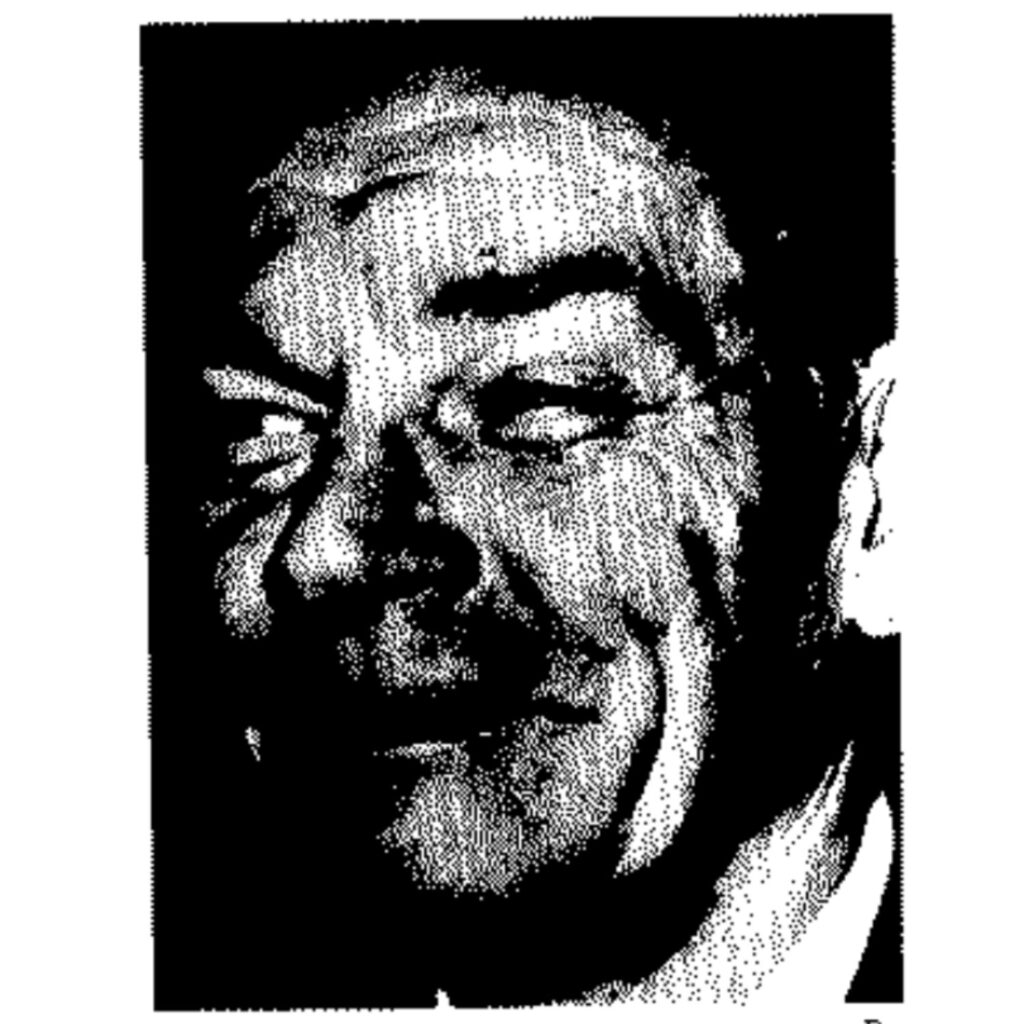
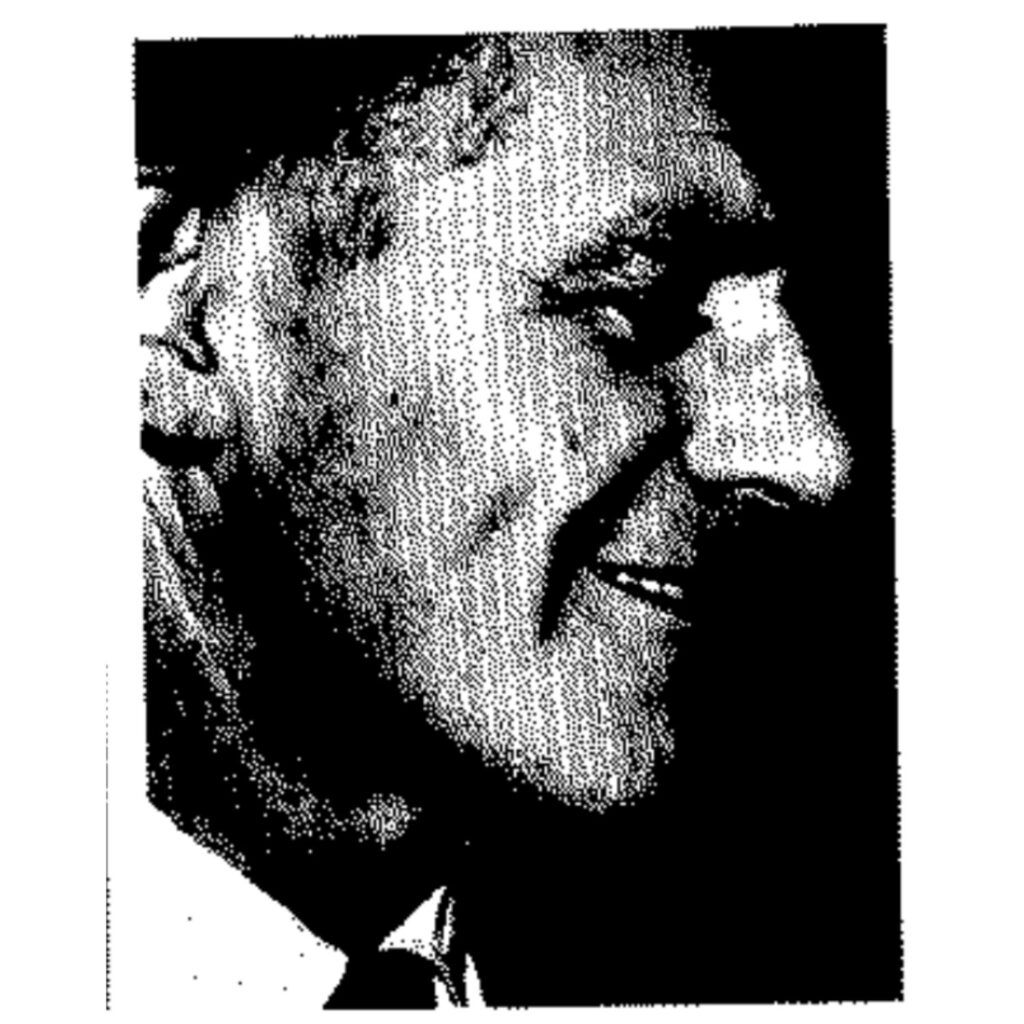
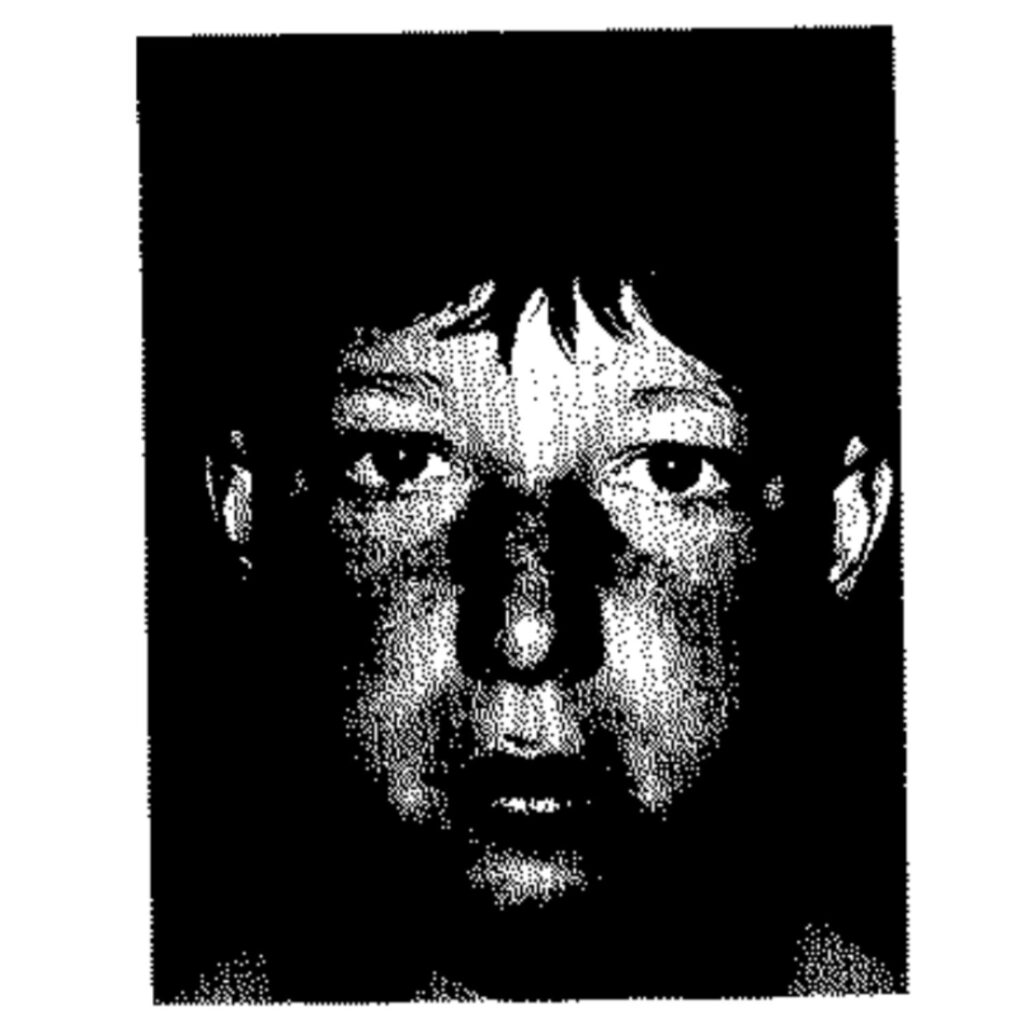
In the practice of neuro-psychology, the physical body is a text that often reveals what the patient cannot speak. The “Leonine Facies” is a strategic diagnostic marker first articulated by John R. Graham and Lee Kudrow. It describes a rugged, almost exaggeratedly masculine appearance common among male sufferers. This is not merely a clinical curiosity: it is a psychological sentinel that often dictates the sufferer’s role in the world.
 
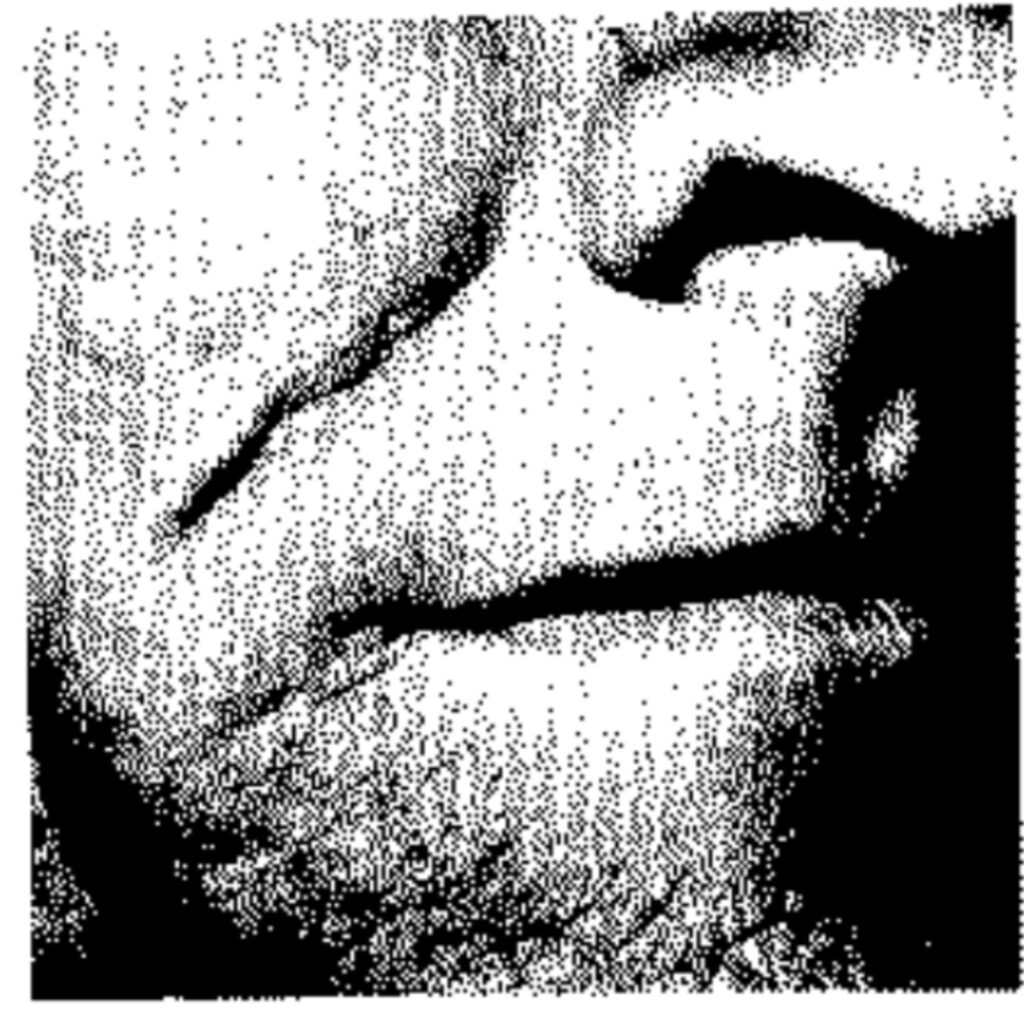
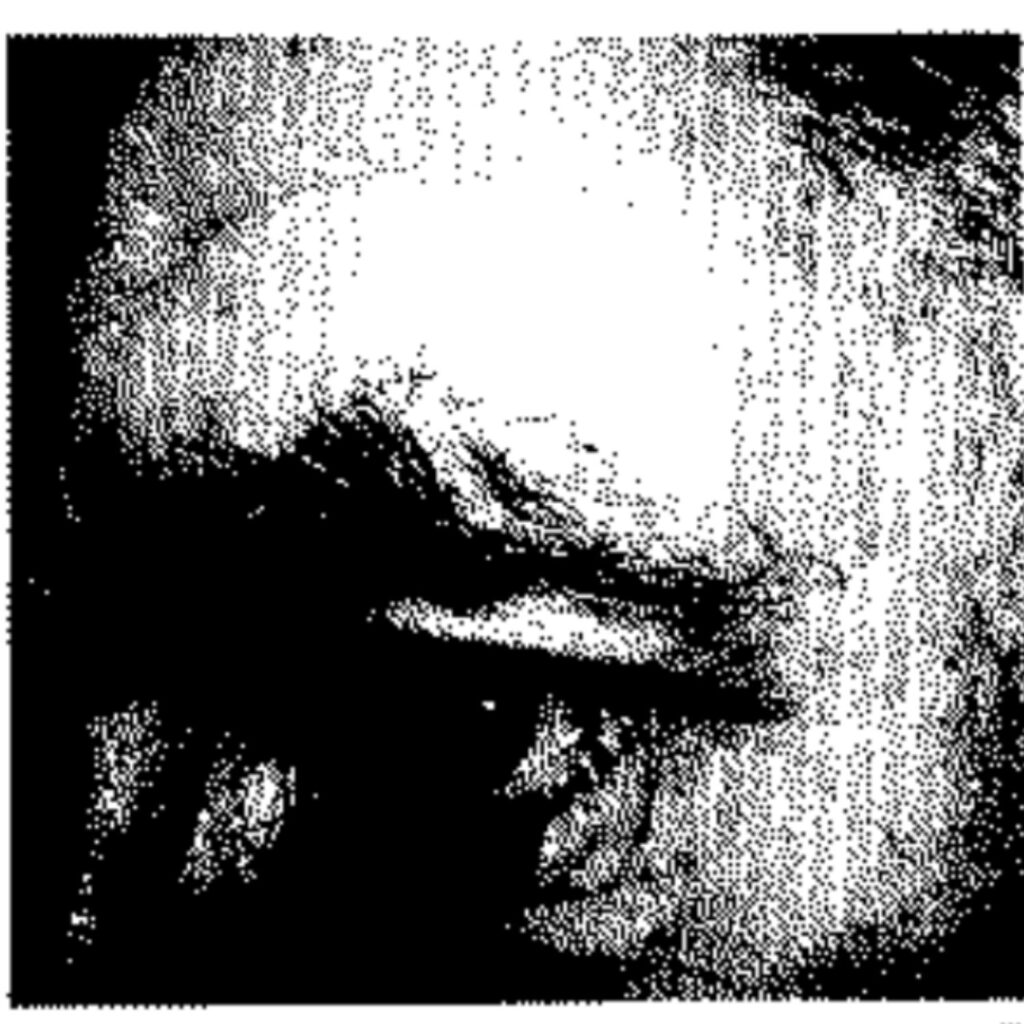
Reflecting on the foundational work of Graham (1972) and Kudrow (1974), we find a striking physical consistency. Sufferers often possess “peau d’orange” skin: a thick, pitted, coarse texture reminiscent of an orange peel. This is accompanied by thick, furrowed brows, deep vertical creases at the glabella, and telangiectasia: tiny, dilated blood vessels over the bridge of the nose. Statistically, these men are taller than the average population, standing at approximately 71.4 inches. Perhaps most intriguing is the 38% incidence of hazel eyes, a sharp deviation from the 8% found in control groups.
 
This “macho” exterior of mesomorphic builds and athletic prowess creates a crushing expectation of invincibility. The toll of this conflict is not just psychological: Graham (1972) noted a 22% peptic ulcer rate among sufferers, a physical manifestation of the internal pressure. I remember looking into my own mirror during my active periods and seeing those deep, lion-like furrows. I saw a man who looked like a hero from a television drama, yet I felt the fragile, infantile vulnerability of a patient waiting for lightning to strike my eye.

The Architecture of Suppression: “Anger-In”
Beyond the physical mask lies a landscape of profound emotional inhibition. Allan Abbass and other researchers have highlighted the role of suppression in the chronic headache profile, check out that literature review here. We are often individuals who bury our storms behind a facade of absolute control.
 
This “Anger-in” phenomenon is the chronic suppression of rage and grief. Graham (1990) observed that many sufferers have histories of difficult father-son relationships, often characterized by a desperate drive for “upward social mobility” to earn the favor of an overbearing authority figure. We push until we break, burying the internal conflict to maintain the image of competence. This creates a collision course between the repressed psyche and the neurological system. As Graham (1990) noted, these patients harbor a “source of fierce but repressed anger” that remains hidden as they strive for social acceptance.
 
I have always felt a piercing sensitivity to injustice and the specific, hollow weight of fatherlessness. For me, the drive to be meticulous and responsible was a fortress built against an unpredictable world. But a fortress with no vents is destined to explode under the pressure of what is kept inside.
 

The Leonine Mouse Paradox

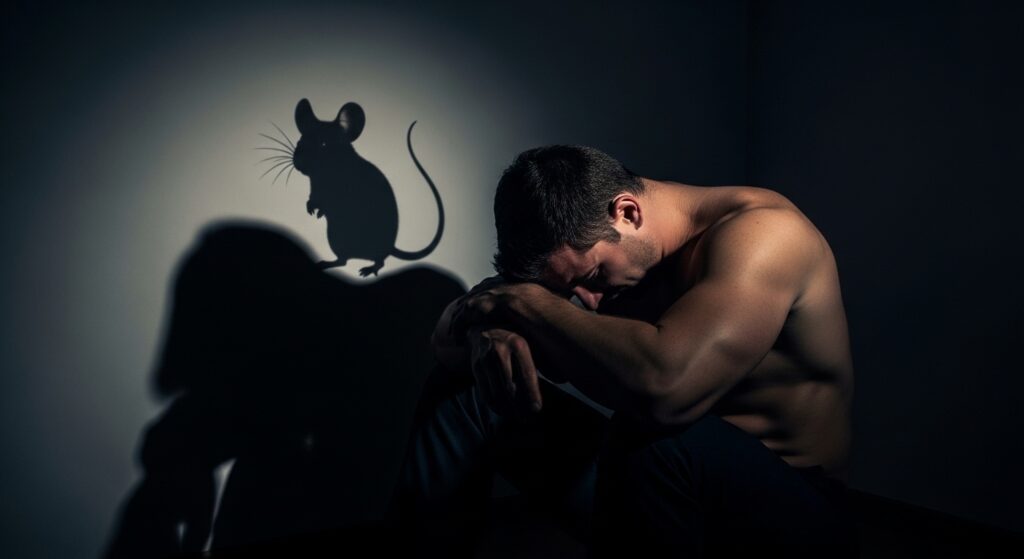
The most evocative metaphor for our condition is the “Leonine Mouse,” a term Graham used in 1974 to describe the behavioral schism of the patient. It represents a rugged individual who, despite their powerful outward frame, possesses massive dependency needs.
 
In the clinic, this paradox is often visible: the “husky suffering mate” is led to the doctor by a “brisk wife” who manages the appointments and the prescriptions. This reveals the “inner cry for help” that the leonine mask forbids. When the attack strikes, the suppression finally fails. The sufferer “roars like a lion,” pacing, screaming, and snarling like a wounded animal. In the most extreme cases, the internal pressure manifests in shocking ways: Graham (1974) recorded reports of amnesia, fugues, psychotic breaks, and even instances of transvestism and overt homosexuality as the “Mouse” desperately attempts to find a release from the “Lion’s” rigid constraints. The reader should take the comments in the context of the time they were written, of which contemporary culture would certainly frown upon.

When Relaxation Becomes a Trigger

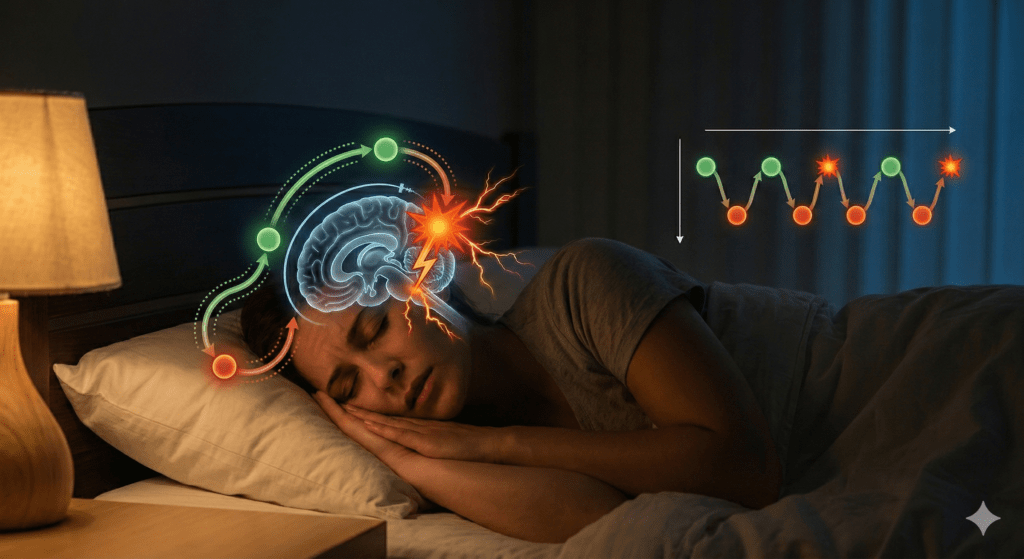
The timing of our attacks is governed by a precise, cruel chronobiology: a “changing of the guard” in the brain stem. Research by Dexter and Hobson explains that our sleep is partitioned into 90 to 100 minute cycles. Attacks typically occur during the transition from REM sleep: the cholinergic or parasympathetic state: to non-REM sleep: the aminergic or sympathetic state.
 

The Paranoid-Schizoid Position: A Diagnostic Schism

Recent studies using the Salamanca Screening Test have further quantified our psychological profile. Muñoz et al. (2016) discovered that cluster sufferers exhibit high levels of rigidity: 52.5% were found to be Anancastic (perfectionist) and 47.5% were Anxious. Furthermore, Cluster A traits: the Paranoid and Schizoid positions: were significantly more prevalent in cluster patients than in migraineurs.
 
While some might view these traits as flaws, I see them as coping mechanisms. Rigidity and perfectionism are the tools of a person living in terror of a sudden, excruciating pain that they cannot control. If the pain is chaotic, we attempt to make the rest of our lives anancastic: a masterpiece of precision and order. I identify deeply with this drive: it is a desperate attempt to ensure the “mouse” inside is not crushed by the “lion” of the headache.

Conclusion

We return to the mirror. The “Leonine Mouse” is not a diagnosis to be cured, but a paradox to be understood. We are a community whose external strength often masks an internal struggle for the right to be vulnerable. I’m also well aware my truth does not reflect yours, and vice versa, all I offer here is an honest reflection of the literature as recorded and a reflection of my own personal experience in their context.
 
I am a “Lion” who has found a way to quiet the “Mouse,” yet the tension is never fully resolved. Is cluster headache a mirror reflecting our repressed anger, our dependency, and our struggle to find balance in a world of full of injustice? What remains without question is that this aspect of cluster headache is seldom studied nor discussed in patient communities. Understandably, exploring this topic delves to the very edge of humanity, forcing uncomfortable conversations albeit nonetheless important and certainly inspired. 
 
What I would leave you with, the reader and possible fellow CH warrior,  is that Inspired Conversations started as conversations about 3 or 4 unrelated topics, fatherlessness, cluster headache, vocal chord dysfunction and vitamin D3 – how interesting that 6 years later it has become known intrinsically to me that these topics are well connected and I am excited to continue exploring those connections with you in future work.

Table of Contents

Share this Article

Leave a Comment

Your email address will not be published. Required fields are marked *

Other Recent Articles

The Algorithmic Mirror: Lessons from a Psychosis Case Report for the Cluster Headache Community

As AI becomes part of everyday research for patients, how reliable are the answers it provides? The rapid expansion of generative artificial intelligence into the therapeutic landscape introduces new risks when digital interactions intersect with psychiatric vulnerability. In a study published as a preprint for JMIR Case Reports, titled Substance-induced manic psychosis in which delusions were corroborated by a chatbot – case report, Shah and colleagues describe a clinical event in which a large language model validated and elaborated upon a patient's psychotic delusions following heavy substance use. While this case involved the ingestion of psilocybin, ketamine, cocaine, and alcohol,

A Review of Cluster Headache Research Findings in 2025

Cluster headache is often described by patients and clinicians alike as one of the most severe pains the human body can experience. Yet despite its brutality, the disorder remains underrecognized, underfunded, and frequently misdiagnosed. Affecting roughly 0.1% of the population, cluster headache produces explosive attacks of unilateral pain around the eye or temple, accompanied by autonomic symptoms such as tearing, nasal congestion, and profound physical agitation. For many sufferers, the attacks occur with clocklike precision and can continue for weeks or months, leaving patients trapped in cycles of debilitating pain. This article summarizes major scientific advances reported throughout 2025, including

The Migraine-Gut Connection: Is Your Microbiome the Secret to a Pain-Free Brain?

Could the real trigger behind your migraines be hiding in your gut? In this article, we explore the emerging science behind the migraine gut connection, from microbial diversity deficits and leaky gut driven inflammation to disrupted serotonin pathways and CGRP activation. As research reshapes our understanding of migraine as a systemic gut brain disorder rather than a purely neurological glitch, a new question emerges: is restoring your microbiome the missing step toward lasting relief?
Join the Community

Subscribe to receive updates on new research findings, articles and inspired conversations.

We respect your privacy. Unsubscribe at any time.

Scroll to Top