For the cluster headache sufferer, the face is often a fortress: a rugged, "leonine" mask that belies a desperate, hidden vulnerability. This article explores the physiological and psychological architecture of the "Leonine Mouse," a paradox where extreme masculine archetypes collide with the raw, infantile cries of the most excruciating pain known to man.
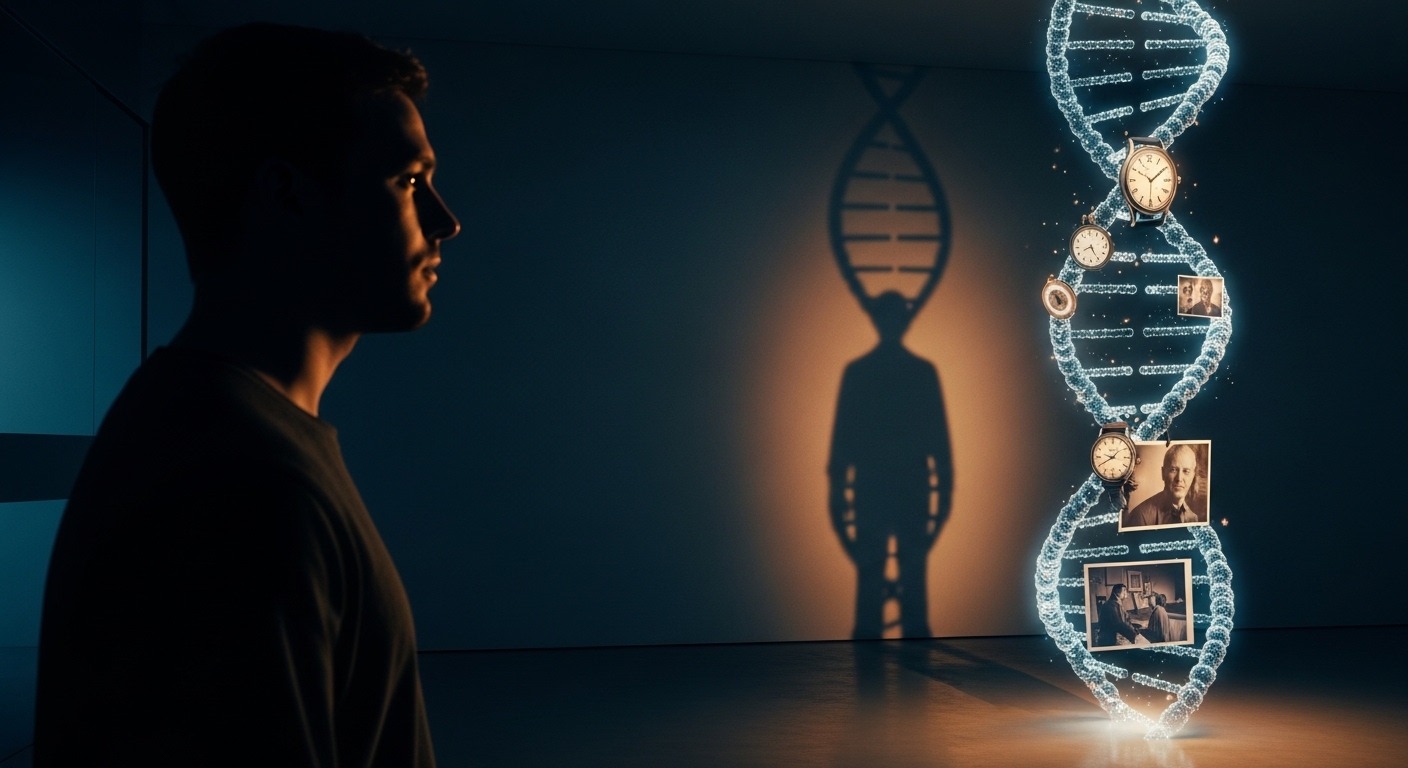
When a father dies before his son is born, the loss isn't a memory. It is a structure. There is no voice to recall and no rough prickle of a chin to remember. There is only an outline. Many men in this position don't feel "wounded." They feel driven. We become overachievers and perfectionists not because we love the work, but because competence feels like safety. Outwardly, it looks like resilience. Internally, it feels like running for your life. This article explores the "architecture of absence" - how the mind builds a man when the foundation stone is missing.
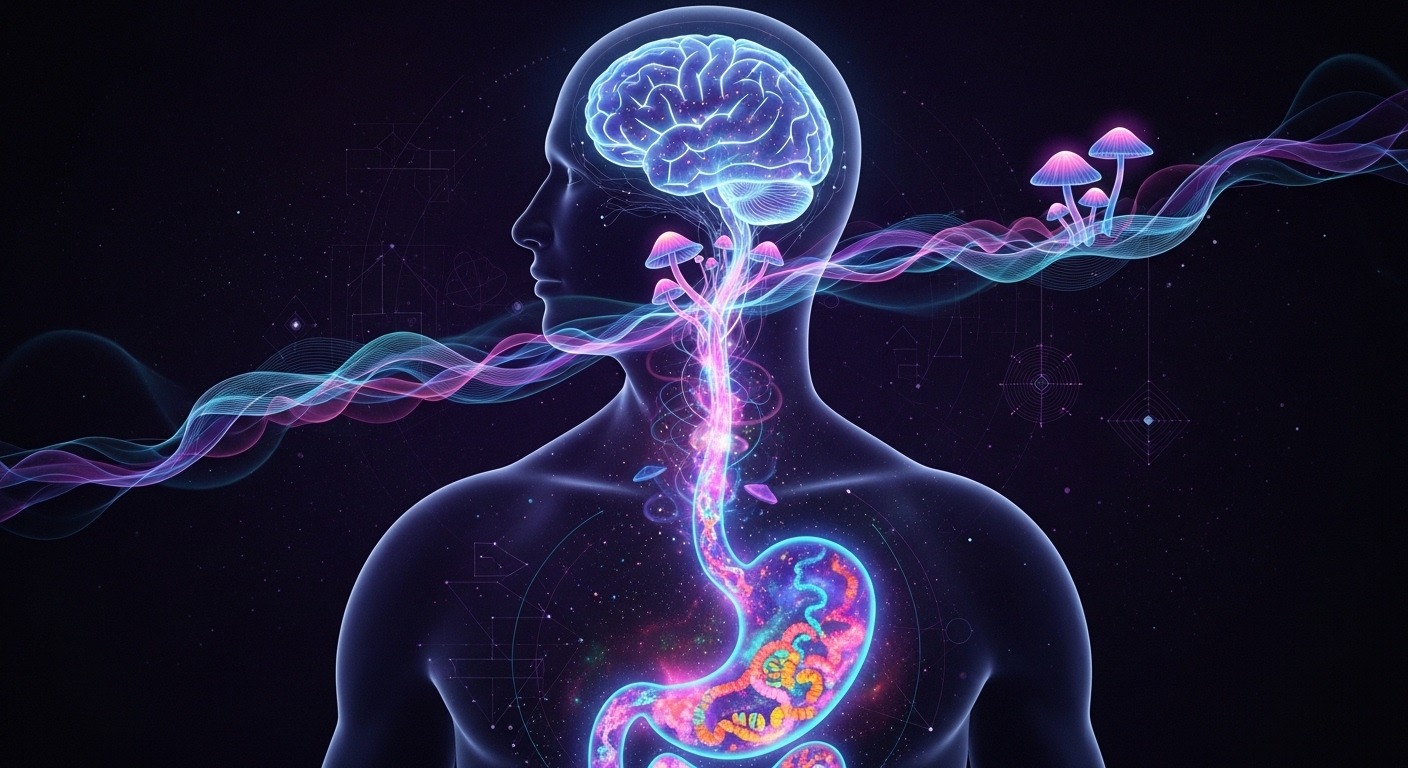
Psychedelic therapy is typically framed as a story of receptors, neurotransmitters, and neuroplasticity. Yet an emerging body of research suggests another protagonist may be quietly involved: the gut microbiome. Far from passive bystanders, microbial communities may influence how psychedelic compounds are metabolized, how inflammation is regulated, and why therapeutic responses vary so widely between individuals. This evolving gut-brain perspective invites a more integrative model of psychedelic efficacy, one that bridges psychopharmacology, immunology, and microbial ecology.