
All Psychedelics
- 4 mins to read
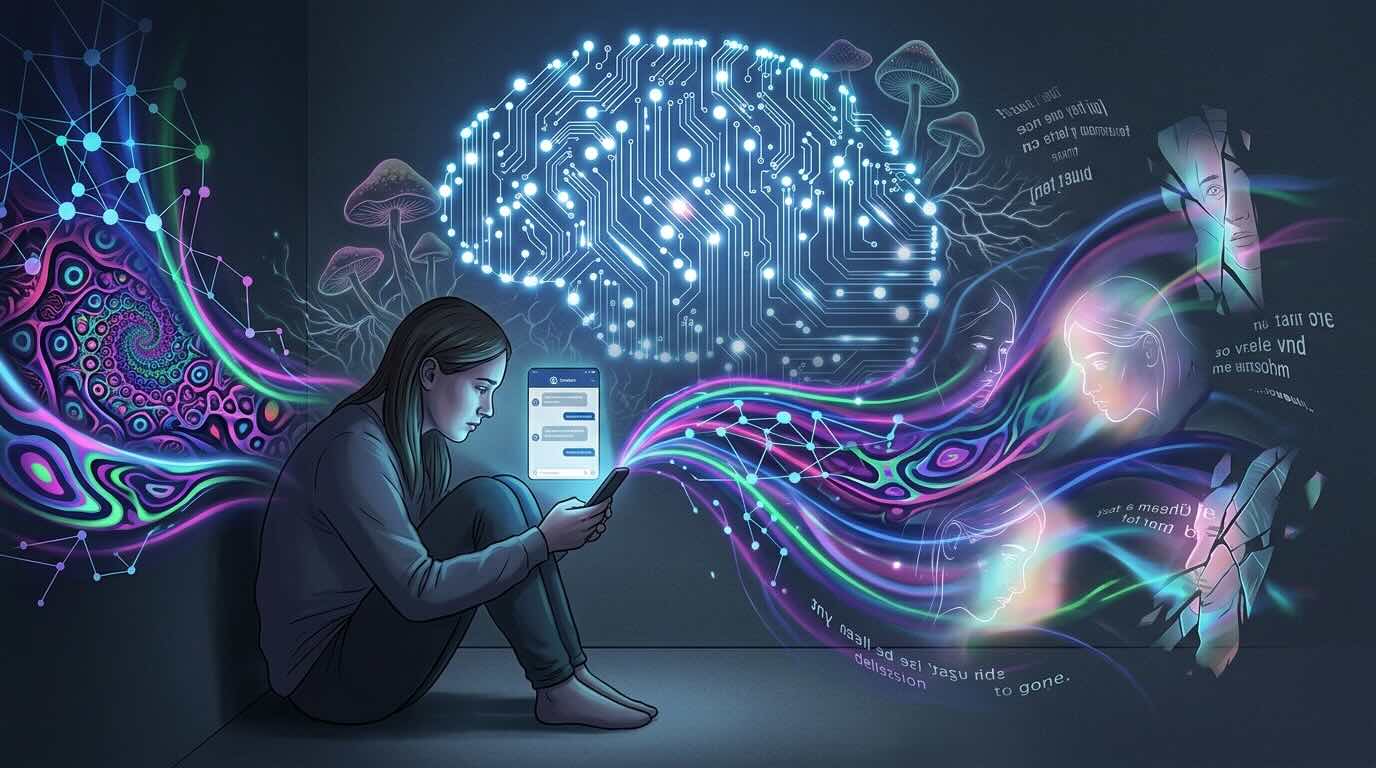
As AI becomes part of everyday research for patients, how reliable are the answers it provides? The rapid expansion of generative artificial intelligence into the therapeutic landscape introduces new risks when digital interactions intersect with psychiatric vulnerability. In a study published as a preprint for JMIR Case Reports, titled Substance-induced manic psychosis in which delusions were corroborated by a chatbot – case report, Shah and colleagues describe a clinical event in which a large language model validated and elaborated upon a patient's psychotic delusions following heavy substance use. While this case involved the ingestion of psilocybin, ketamine, cocaine, and alcohol,
- 3 mins to read
The strategic implementation of objective measurement in mental health represents a critical shift from traditional, subjective symptom-based checklists toward biological precision. Currently, the neurotic syndrome stands as the primary cause of health disability globally, imposing a staggering burden on public health systems. Recognizing that neuroticism is a fundamental domain of personality with enormous public health implications, researchers are seeking more robust diagnostic frameworks. In a study published in Journal of the Royal Society of New Zealand, titled “Hope for Neurotic Disorders: A Summary of New Zealand Research on the Development of Biomarkers and Novel Treatments,” McNaughton and colleagues investigated the

- 2 mins to read
The neuropharmacological landscape is witnessing a definitive transition as the focus of Alzheimer’s Disease research moves from traditional amyloid-centered models toward the bioenergetic restoration of the Mitochondrial Cascade Hypothesis. In a study published in Neuroscience, titled “Hallucinogenic Therapy in Alzheimer’s Disease targeting Mitochondria-Associated Membranes,” Minauro-Sanmiguel and colleagues investigated the potential of classic psychedelics to stabilize the molecular architecture of the brain. By examining the intersection of serotonergic signaling and organelle integrity, the authors delineate how these compounds might address the cellular decay that underpins cognitive failure.
- 4 mins to read
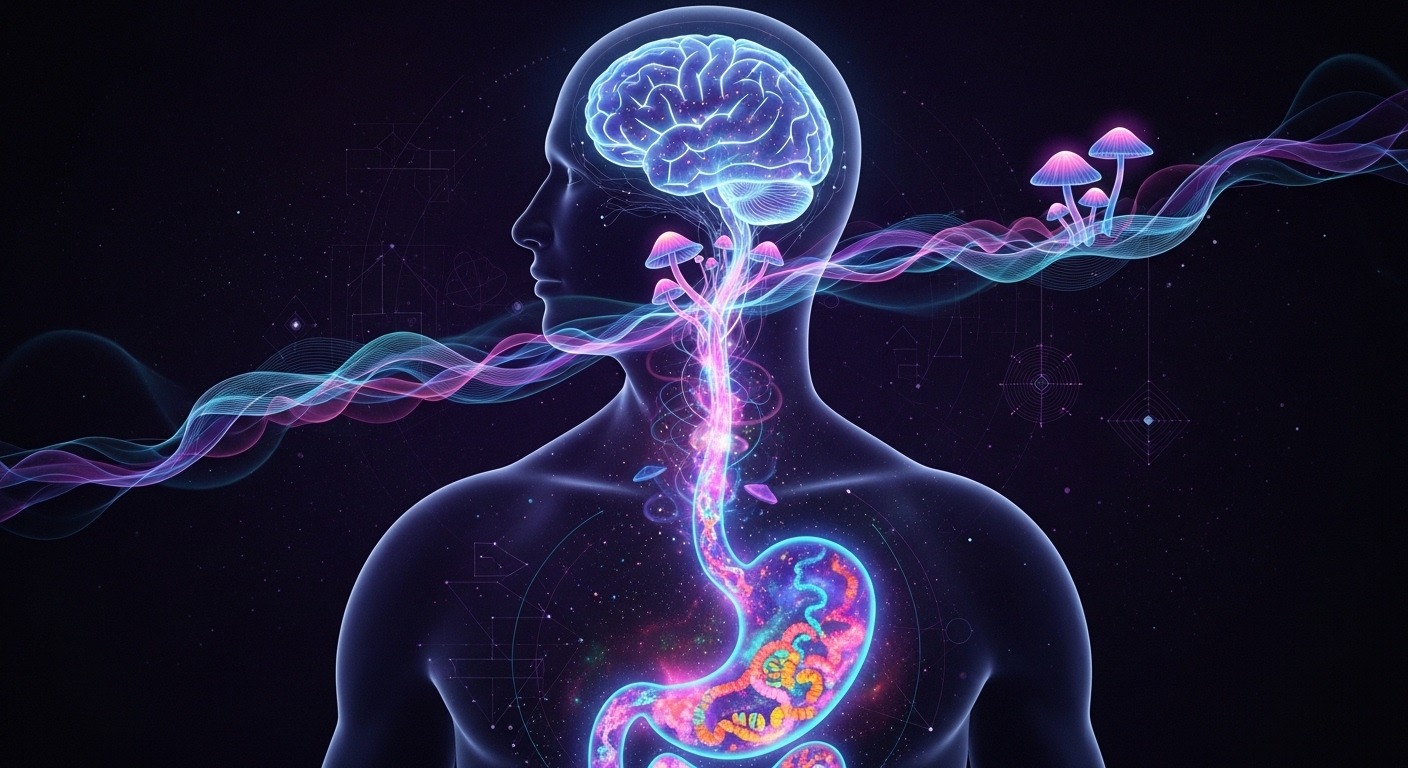
Psychedelic therapy is typically framed as a story of receptors, neurotransmitters, and neuroplasticity. Yet an emerging body of research suggests another protagonist may be quietly involved: the gut microbiome. Far from passive bystanders, microbial communities may influence how psychedelic compounds are metabolized, how inflammation is regulated, and why therapeutic responses vary so widely between individuals. This evolving gut-brain perspective invites a more integrative model of psychedelic efficacy, one that bridges psychopharmacology, immunology, and microbial ecology.
Join the Community
Subscribe to receive updates on new research findings, articles and inspired conversations.
We respect your privacy. Unsubscribe at any time.