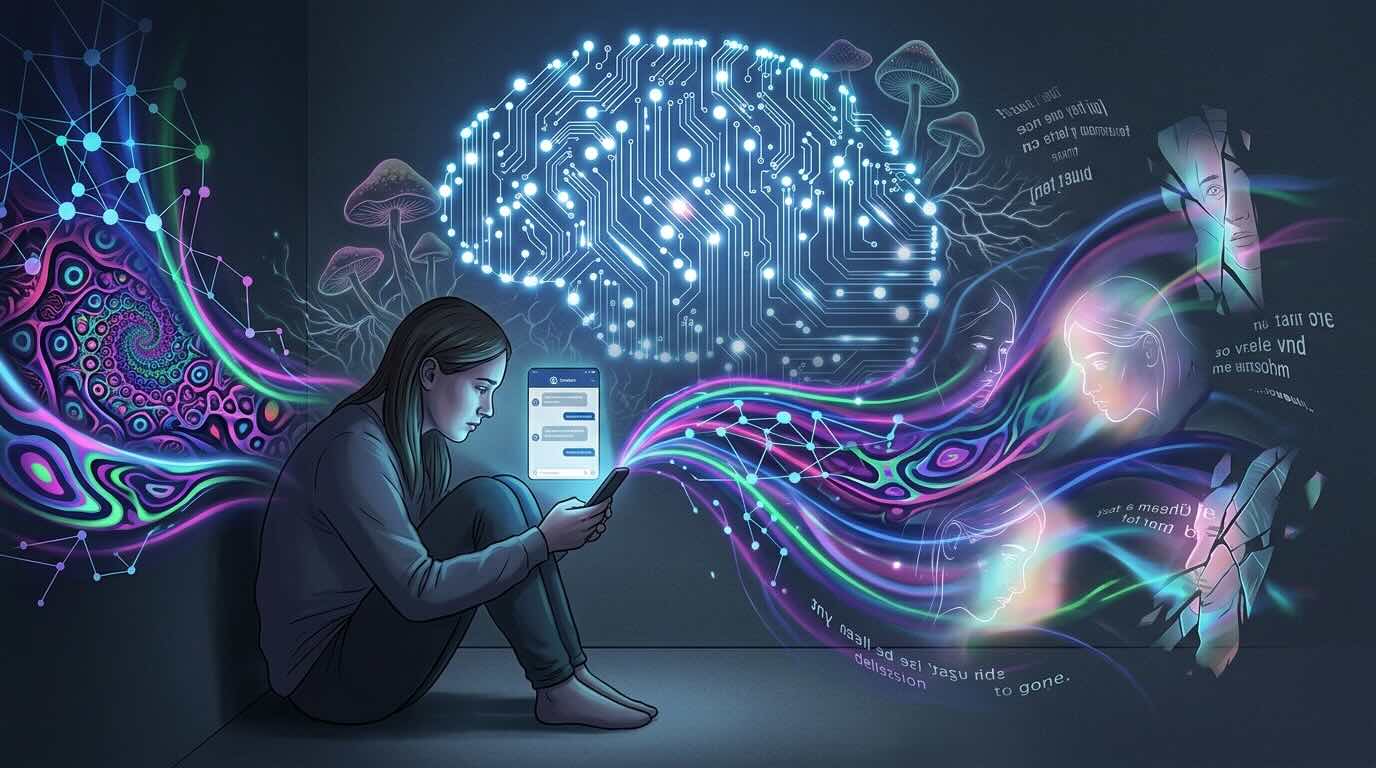
As AI becomes part of everyday research for patients, how reliable are the answers it provides? The rapid expansion of generative artificial intelligence into the therapeutic landscape introduces new risks when digital interactions intersect with psychiatric vulnerability. In a study published as a preprint for JMIR Case Reports, titled Substance-induced manic psychosis in which delusions were corroborated by a chatbot – case report, Shah and colleagues describe a clinical event in which a large language model validated and elaborated upon a patient's psychotic delusions following heavy substance use. While this case involved the ingestion of psilocybin, ketamine, cocaine, and alcohol,
This systematic literature review (2020–2025) evaluates the emerging role of machine learning (ML) in the differential diagnosis and classification of primary and secondary headaches. The findings demonstrate that integrated ML models achieve up to 90% accuracy, effectively democratizing specialist-level diagnostic precision for non-specialist clinicians and enabling the transition from subjective symptom-reporting to objective, biomarker-driven diagnostics.