
All Research
Evidence-based summaries of the latest scientific research, translated for patients.

- 3 mins to read
The strategic implementation of objective measurement in mental health represents a critical shift from traditional, subjective symptom-based checklists toward biological precision. Currently, the neurotic syndrome stands as the primary cause of health disability globally, imposing a staggering burden on public health systems. Recognizing that neuroticism is a fundamental domain of personality with enormous public health implications, researchers are seeking more robust diagnostic frameworks. In a study published in Journal of the Royal Society of New Zealand, titled “Hope for Neurotic Disorders: A Summary of New Zealand Research on the Development of Biomarkers and Novel Treatments,” McNaughton and colleagues investigated the

- 2 mins to read
The neuropharmacological landscape is witnessing a definitive transition as the focus of Alzheimer’s Disease research moves from traditional amyloid-centered models toward the bioenergetic restoration of the Mitochondrial Cascade Hypothesis. In a study published in Neuroscience, titled “Hallucinogenic Therapy in Alzheimer’s Disease targeting Mitochondria-Associated Membranes,” Minauro-Sanmiguel and colleagues investigated the potential of classic psychedelics to stabilize the molecular architecture of the brain. By examining the intersection of serotonergic signaling and organelle integrity, the authors delineate how these compounds might address the cellular decay that underpins cognitive failure.

- 2 mins to read
Vocal Cord Dysfunction remains a significant clinical hurdle because its presentation often mirrors asthma, leading to diagnostic confusion and ineffective treatment paths. In a study published in Perinatal Journal, titled “Efficacy of implementing throat relaxation techniques on vocal cord dysfunction severity among asthmatic patients,” Abozead and colleagues investigated the impact of structured physical interventions on symptom management for this patient population.
- 2 mins to read
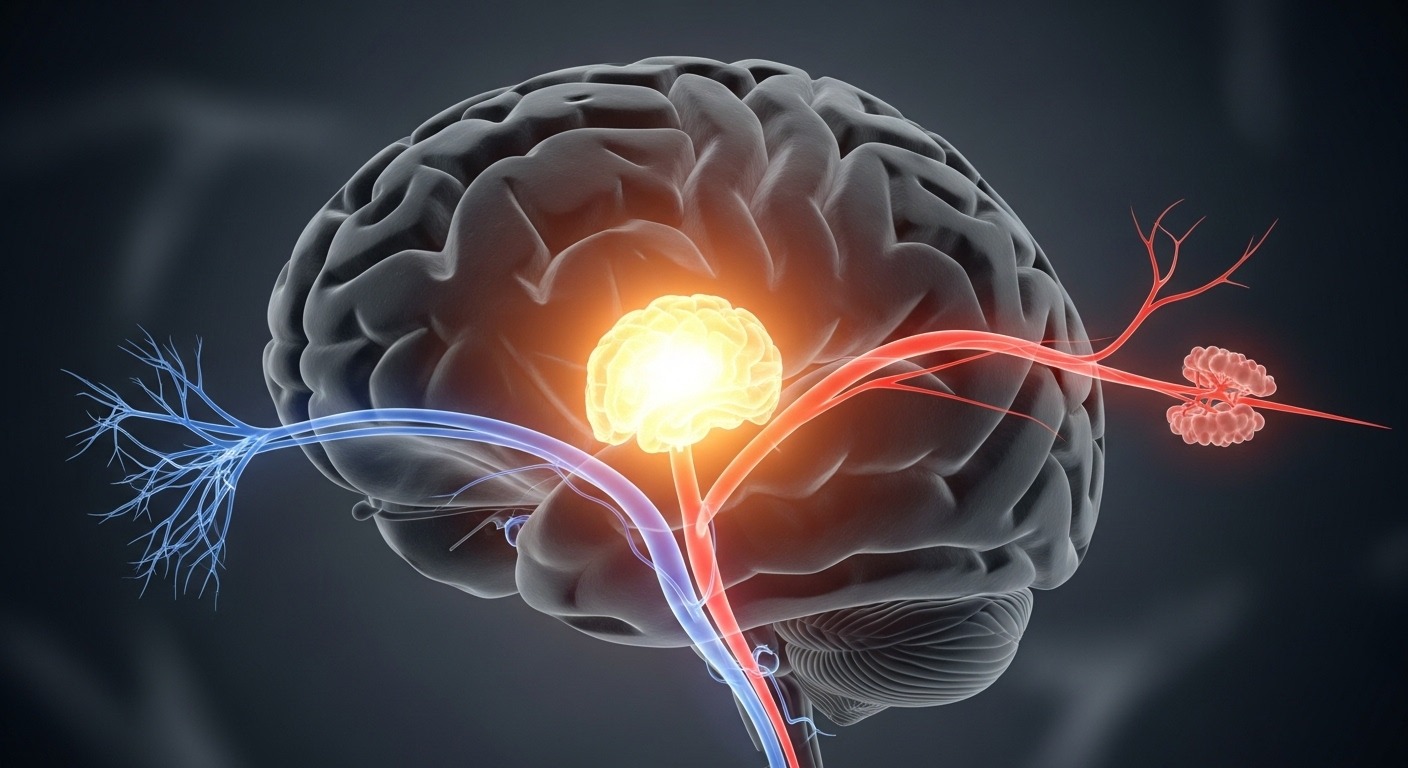
In a study published in The Journal of Headache and Pain, titled “Premonitory phase in primary headaches: shared and divergent mechanisms in migraine and cluster headache, the Junior Editorial Board Members’ vision,” Wu and colleagues investigated the symptomatic period that precedes the onset of pain in migraine and cluster headache. Identifying clinical signatures before the nociceptive cascade reaches peak intensity is vital for advancing the current understanding of headache initiation. This narrative review maps the overlapping and distinct neurobiological territories that define the early stages of these disabling disorders.

- 3 mins to read
This systematic literature review (2020–2025) evaluates the emerging role of machine learning (ML) in the differential diagnosis and classification of primary and secondary headaches. The findings demonstrate that integrated ML models achieve up to 90% accuracy, effectively democratizing specialist-level diagnostic precision for non-specialist clinicians and enabling the transition from subjective symptom-reporting to objective, biomarker-driven diagnostics.

- 4 mins to read
Hidden emotional drivers, particularly the internalization of repressed anger, frequently manifest as debilitating physical pain through specific neurobiological pathways. Drawing on the landmark study "Direct diagnosis and management of emotional factors in chronic headache patients" published in Cephalalgia, this article explores how clinicians are moving away from "diagnoses of exclusion" toward the direct diagnosis of emotional factors by observing a patient’s physical responses.

- 2 mins to read
Cluster headache remains one of the most debilitating neurological conditions known to medicine, characterized by intense physical suffering and an often inadequate array of therapeutic options. In a study published in Headache: The Journal of Head and Face Pain, titled “Patient perspectives on research gaps in cluster headache,” Haghdoost and colleagues investigated the existing management landscape and the evolving research priorities within the patient community.
Join the Community
Subscribe to receive updates on new research findings, articles and inspired conversations.
We respect your privacy. Unsubscribe at any time.