Introduction
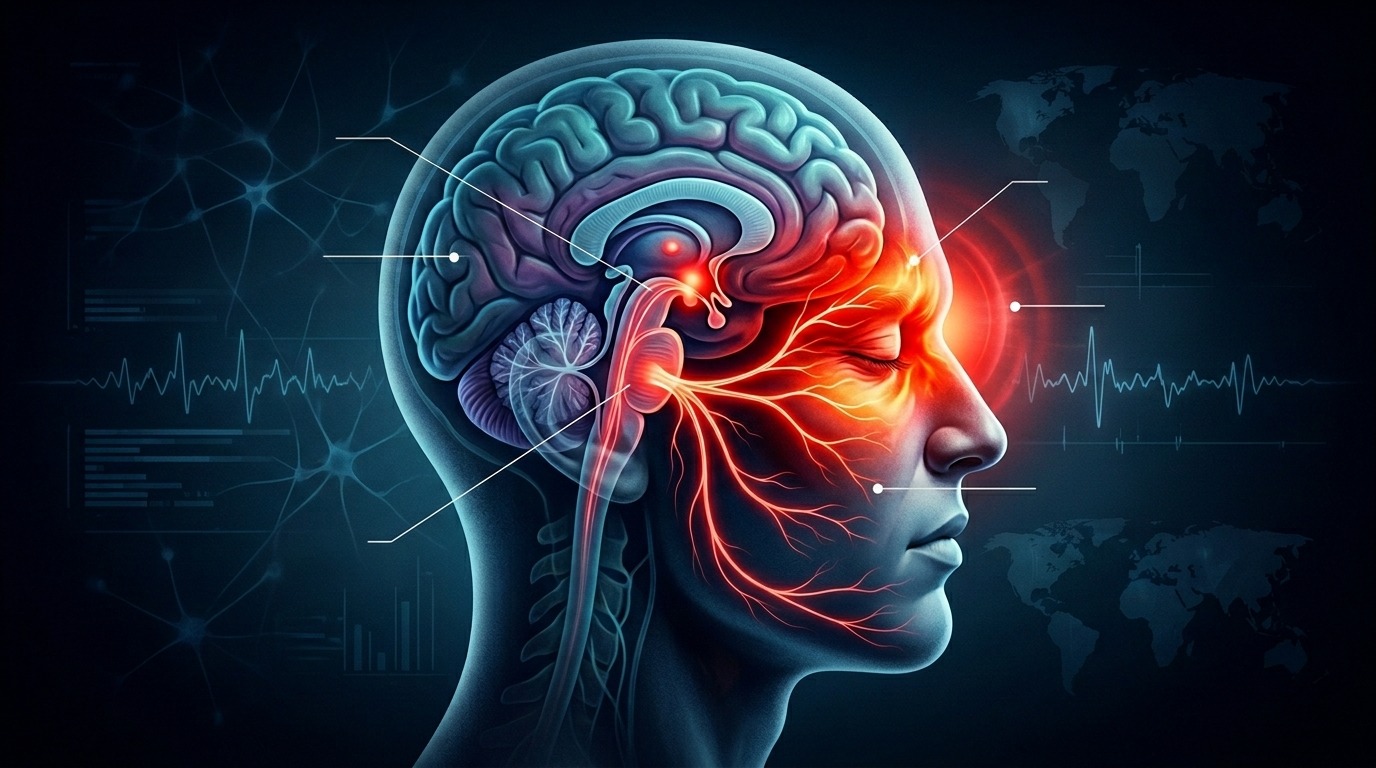
Cluster Headache (CH) is one of the most agonizing and debilitating primary headache disorders known to medicine. Characterized by excruciating unilateral pain typically localized to the orbital or temporal regions, CH attacks are accompanied by striking cranial autonomic symptoms and a profound sense of physical restlessness.
Research throughout 2025 has provided an expansion of our knowledge regarding this condition. The scientific community has published an array of studies uncovering its genetic architecture, structural and functional neuroanatomy, profound psychosocial burden, and a rapidly evolving therapeutic landscape. This review synthesizes these recent findings to provide an update on the pathophysiology, clinical phenotyping, psychosocial impact, and management of cluster headache.
Epidemiology, Diagnostic Delays and Public Health Burden
Despite being infamous for its severity, CH research and public health recognition remain disproportionately low. The global prevalence of CH is approximately 0.1%, or roughly 124 per 100,000 individuals (Yuan et al., 2025). Chronic Cluster Headache (CCH) meets the regulatory thresholds for a rare disease set by both the FDA and the EMA, yet it lacks formal rare disease designation, creating substantial barriers to research funding and drug development (Yuan et al., 2025). A 2025 analysis of research investment in the UK revealed that CH receives orders of magnitude less funding than multiple sclerosis, a condition with similar prevalence, reflecting systemic health inequalities in pain research (Percy et al., 2025).
A major clinical failure continues to be the substantial diagnostic delay. Meta-analyses demonstrate that patients still experience average diagnostic delays ranging from 5.7 to over 10 years, frequently leading to misdiagnoses and inadequate initial treatments (Van Obberghen et al., 2025). Educational gaps persist among primary care and emergency medicine physicians, who often possess theoretical knowledge but lack adequate referral and specialist management practices (Hasirci Bayir et al., 2025). Furthermore, women and patients with a younger age of onset experience significantly longer diagnostic delays, exacerbating health disparities (Lange et al., 2025).

Clinical Phenotyping and Prolonged Remission
Our understanding of the natural course and clinical phenotypes of CH has been refined. What were formerly called cluster tics have been proposed to be renamed “cluster stabs” (Carney et al., 2025). These brief, sharp, neuralgic pain paroxysms in the trigeminal distribution affect up to 47% of certain CH cohorts and present with pain intensity comparable to trigeminal neuralgia, but importantly lack the typical triggerability seen in classic neuralgias (Carney et al., 2025).
Prospective longitudinal data reveals that CH is a dynamic disease over the lifespan. Approximately 12.3% of episodic CH (ECH) patients transition to CCH over five years, with relapse rates being highest early in the disease course and gradually declining with advancing age and longer disease duration (Lee et al., 2025). Spontaneous prolonged remission is possible, and physicians must carefully distinguish true remission from medication suppressed states (Naber et al., 2025).
Metabolic and endocrine factors also uniquely modulate the disease
A novel multicenter cross sectional study discovered an inverse relationship between body mass index (BMI) and cluster bout periodicity, suggesting that obesity might paradoxically suppress the cyclic rhythmicity of ECH (Kim et al., 2025). Furthermore, gender affirmation treatments with hormone therapy have been shown to affect the clinical course of CH in transgender patients, indicating a hormonal role in pain modulation (Granata & Gantenbein, 2025).
The Psychosocial and Psychiatric Impact
The psychological trauma of enduring CH is severe. Qualitative explorations highlight the desperation of patients, with one study participant noting that if they had blood pouring out of their eyeballs, people would finally notice their invisible pain (Whitley et al., 2025). Pain related disability in CH is profoundly influenced by the Fear Avoidance Model. The persistent fear of attacks drives social withdrawal, anxiety, and depression even during attack free remission periods (Fox et al., 2025).

Validation of disease specific patient reported outcome measures, such as the Cluster Headache Quality of Life scale, confirms that mental health deterioration impairs quality of life more strongly than the actual frequency of attacks (Naber et al., 2025). Over 92% of CH patients experience severe limitations in overall health and functionality (Gobel et al., 2025).
Tragically, suicidality remains high. Suicidal ideation affects 40% to 55% of patients in tertiary care, with suicide attempts occurring in up to 5% of severe cases, underscoring the absolute necessity for systematic psychiatric screening in headache clinics (Van Obberghen et al., 2025).
Neuroimaging, Pathophysiology and Biomarkers
Advances in ultra high field 7T MRI and functional connectivity have provided unprecedented clarity on the CH brain (Wang et al., 2025).
- Restlessness and Agitation: A core diagnostic feature of CH, physical restlessness, has been localized to the Locus Coeruleus (LC) and Substantia Nigra pars compacta (SNpc) (Chen et al., 2025). Rather than originating from traditional aggression circuits, this behavior is driven by weakened functional connectivity from the dopaminergic SNpc to the superior frontal cortex (Chen et al., 2025).
- Limbic and Hypothalamic Networks: Multimodal 7T MRI analyses confirm significant volumetric and functional abnormalities within the limbic system, particularly in the right anterior inferior hypothalamus, amygdala, and hippocampus (Wang et al., 2025). Additionally, patients with CCH present with a dysfunctional mesocorticolimbic circuitry, showing blunted Ventral Tegmental Area (VTA) activity during reward anticipation, which correlates with anhedonia and pain chronification (Ferraro et al., 2025).
Biomarker research has further clarified the neurochemical milieu of the disorder. Pituitary Adenylate Cyclase Activating Polypeptide 38 (PACAP 38) is uniformly elevated in CCH, ECH during bouts, and ECH during remission compared to healthy controls, positioning it as a prime therapeutic target (Soborg et al., 2025).
Conversely, the exact role of Calcitonin Gene Related Peptide (CGRP) as a stable biomarker is debated, with some recent studies finding reduced levels in CH patients, pointing to assay variability or complex disease dynamics (Petersen et al., 2024).
Central neuroinflammation is now recognized as critical
Elevated cytokines like Oncostatin M (OSM) are found across all CH states, while high Interleukin 1 beta is specifically correlated with CCH, marking it as a potential indicator of chronification (Lund et al., 2025).
Genetics and Proteomics
2025 has been a landmark year for CH genetics. A massive international meta GWAS analyzed over 4,700 cases and discovered new risk loci near genes including WNT2, PLCE1, and LRP1, while replicating established hits like MERTK, DUSP10, and FHL5 (Jennysdotter Olofsgaard, 2025). MERTK, a macrophage related receptor kinase, shows increased expression in CH blood and is localized to satellite glial cells in the trigeminal ganglion, directly linking genetic susceptibility to neuroinflammation and phagocytosis of cellular debris (Jennysdotter Olofsgaard, 2025).
Proteome Wide Mendelian Randomization (PWMR) studies uncovered plasma proteins causally linked to CH. Proteins like PXDNL, CCN4, PKD1, LGALS9, and MRC1 have been identified as novel, safe drug targets (Xiong et al., 2025). PXDNL interacts with both acute and preventive CH drug mechanisms, presenting a major dual purpose target (Xiong et al., 2025). Additionally, Mendelian Randomization showed that CD39+ CD4+ T cells exert a protective causal effect against CH risk by modulating ADP, N-acetylneuraminate, and choline metabolic pathways (Zeng et al., 2025).
Pharmacological Treatments
The excruciating severity of CH demands aggressive treatment. However, recent clinical trials evaluating CGRP monoclonal antibodies have yielded mixed results. The highly anticipated CHERUB01 phase 2 trial evaluating erenumab (a CGRP receptor antagonist) for CCH was unequivocally negative, failing to reduce attack frequency compared to placebo (Mecklenburg et al., 2025).
Similarly, the ALLEVIATE trial evaluating intravenous eptinezumab for ECH failed its primary endpoint for attack reduction, although secondary benefits in responder rates and daily pain severity were noted (Jensen et al., 2025). Conversely, the oral gepant medication atogepant showed promise in a case series for refractory CH patients, halting attacks where injectable antibodies previously failed (Serrao et al., 2025).
For transitional therapy, Greater Occipital Nerve (GON) blocks with methylprednisolone remain highly effective (Brandt et al., 2025). Neurophysiological studies confirm this clinical improvement occurs independently of nociceptive blink reflex modulation, challenging previous mechanistic assumptions about peripheral nerve blocks (Naber et al., 2025).
Highflow Oxygen for Cluster Headache
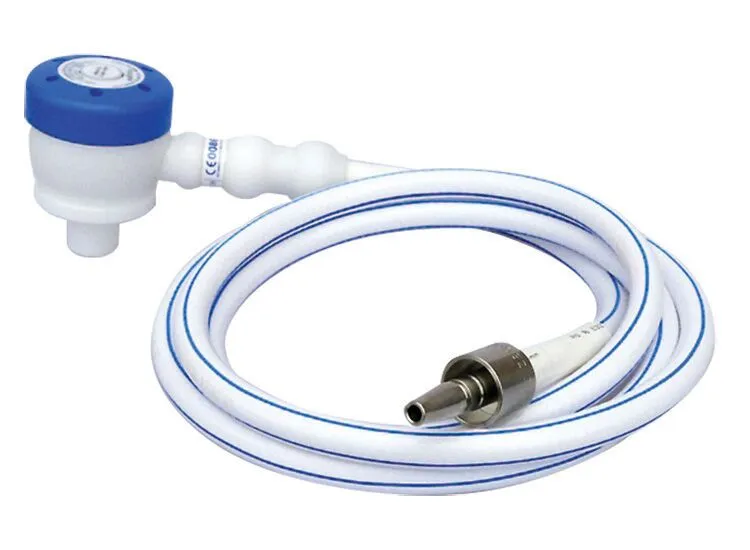
High flow oxygen remains the gold standard abortive therapy, with demand valve oxygen delivery systems showing superior efficacy to continuous flow masks (Goadsby et al., 2025).

Alternative Medicine and Psychedelics
Due to the desperation of treatment refractory patients, indoleamine psychedelics and dissociative anesthetics are gaining medical legitimacy. A 2025 clinical case series demonstrated that supervised, compassionate use administration of psilocybin, LSD, or intravenous ketamine successfully broke attack cycles and induced extended remission periods in patients who had failed all standard therapies (Leighton et al., 2025). The non hallucinogenic LSD analog BOL 148 also demonstrates substantial preventive efficacy without psychoactive side effects (Coppola et al., 2025).
Neuromodulation
Neuromodulation remains critical for medically intractable CCH.
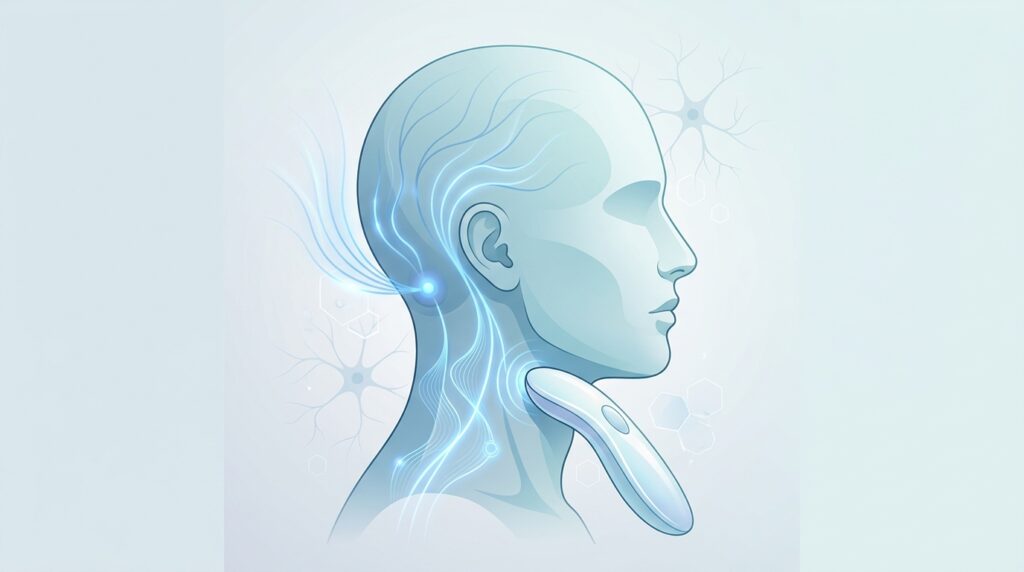
- Non Invasive Vagus Nerve Stimulation (tcVNS): FDA cleared tcVNS has been officially integrated into clinical guidelines for acute abortion and adjunctive prevention in ECH due to its excellent safety profile and user autonomy (Goadsby et al., 2025). A case report also demonstrated its profound efficacy in a patient with co occurring CCH and focal epilepsy (van Tilborg et al., 2025).
- Occipital Nerve Stimulation (ONS): Invasive ONS provides sustained relief for refractory CCH. Data from the ICON trial revealed that an early positive clinical response at 24 weeks is the sole reliable predictor of long term (5 year) treatment success (Brandt et al., 2025).
- Deep Brain Stimulation (DBS): Targeting the posterior hypothalamus or ventral tegmental area, DBS drastically reduces attack frequency and severity in the most refractory patients (Uwishema et al., 2025). Novel approaches, such as third ventricle DBS, offer alternative surgical targets with promising long term feasibility (Chabardes et al., 2025).
- Combined Stimulation: A novel surgical approach combining unilateral Sphenopalatine Ganglion (SPG) stimulation with ONS demonstrated synergistic, long lasting relief for refractory CCH, modulating the hypothalamus indirectly without the risks of deep brain stimulation (Andreani et al., 2025).
- Repetitive Transcranial Magnetic Stimulation (rTMS): A randomized crossover pilot trial showed potential benefits for rTMS over the motor cortex in preventing refractory CCH (Portocarrero Sanchez et al., 2025).
Conclusion
Research in 2025 has radically expanded the horizon of Cluster Headache science.
We now recognize CH not just as a peripheral trigeminal pain disorder, but as a complex neuro immune, genetic, and chronobiological disease.
Dysfunctions within mesocorticolimbic networks, combined with specific genetic loci like MERTK and profound neuroinflammatory cascades, paint a highly detailed picture of the disease state. While CGRP monoclonal antibodies have shown unexpected limits in chronic CH, the rapid evolution of neurostimulation and the paradigm shifting introduction of psychedelic medicines offer immense hope.
Moving forward, health systems must formally recognize CCH as a rare disease to unlock necessary funding, and clinicians must integrate rigorous psychiatric screening and targeted multimodal therapies to alleviate the profound burden of this devastating condition.
Reference List
Lund, N. et al. (2025). Distinct Alterations of Inflammatory Biomarkers in Cluster Headache A Case Control. Annals of Neurology.
Petersen, A.S. et al. (2024/2025). Reduced plasma calcitonin gene-related peptide level identified in cluster headache. Cephalalgia.
Zeng, J. et al. (2025). CD39+ CD4+ T cells influence cluster headache risk via ADP N-acetylneuraminate and choline metabolic pathways. International Journal of Neuroscience.
Carney, M. et al. (2025). From Tics to Stabs: Renaming Cluster Tics in Cluster Headache A Cross-Sectional Study. European Journal of Neurology.
Soborg, M.K. et al. (2025). PACAP-38 in Cluster Headache: A Prospective Case Control Study. European Journal of Neurology.
Fox, J. et al. (2025). The impact of fear of attacks on pain-related disability in cluster headache: Insights from the fear avoidance model. Headache.
Brandt, R.B. et al. (2025). Factors associated with efficacy of occipital nerve stimulation in medically intractable chronic cluster headache. Headache.
Naber, W.C. et al. (2025). Beneficial effect of infiltration around the greater occipital nerve in cluster headache independent of modulation of the nociceptive blink reflex. Headache.
Naber, W.C. et al. (2025). Quality of life changes in cluster headache: Convergent validity, responsiveness… Headache.
Serrao, C. et al. (2025). Can atogepant be a preventive treatment for cluster headache? Insights from a case series. Headache.
van Tilborg, P.J. et al. (2025). The clinical effect of an implanted vagus nerve stimulator in a patient with chronic cluster headache and focal epilepsy. Headache.
Whitley, H. et al. (2025). “If We Had Blood Pouring Out of Our Eyeballs, People Would Notice”: A Qualitative Exploration Into the Psychological Experience of Cluster Headache. International Journal of Clinical Practice.
Chabardes, S. et al. (2025). Long-Term Effects Of Third Ventricle Deep Brain Stimulation In Cluster Headache. Brain Stimulation.
Goadsby, P.J. et al. (2025). Non-Invasive Vagus Nerve Stimulation in Cluster Headache: A Clinical Practice Guideline. Pain Practice.
Jennysdotter Olofsgaard, F. (2025). Cluster Headache – Focus on sleep, treatment, and genetics. Karolinska Institutet Thesis.
Jennysdotter Olofsgaard, F. (2025). MERTK in the rat trigeminal system: a potential novel target for cluster headache? Karolinska Institutet Thesis.
Andreani, J.C.M. et al. (2025). Long-term effectiveness of combined unilateral sphenopalatine and occipital nerve stimulation in patients with refractory chronic cluster headache. Cephalalgia Reports.
Uwishema, O. et al. (2025). Exploring the potential of deep brain stimulation in managing cluster headache: a systematic review. BMC Neurology.
Portocarrero-Sanchez, L. et al. (2025). Evaluating Repetitive Transcranial Magnetic Stimulation for Refractory Chronic Cluster Headache Prevention. Brain Sciences.
Brandt, R.B. et al. (2025). Greater occipital nerve injection with methylprednisolone as transitional therapy in episodic cluster headache. Cephalalgia.
Goadsby, P.J. et al. (2025). High-flow versus ultra-high-flow (demand valve) oxygen delivery in cluster headache. Cephalalgia.
Granata, L. & Gantenbein, A.R. (2025). Case report: A case of chronic cluster headache affected by gender affirmation treatment. Cephalalgia Reports.
Jensen, R.H. et al. (2025). Efficacy and Safety of Eptinezumab in Episodic Cluster Headache A Randomized Clinical Trial. JAMA Neurology.
Lange, K.S. et al. (2025). Characteristics of patients with cluster headache presenting to a tertiary headache center. Cephalalgia Reports.
Lee, M.J. et al. (2025). Subtype shift, relapse rate, and risk factors of frequent relapse in cluster headache. Cephalalgia.
Leighton, J. et al. (2025). Clinical treatment of cluster headache with the serotonergic indoleamine psychedelics psilocybin and LSD and with ketamine: A case series. Cephalalgia Reports.
Mecklenburg, J. et al. (2025). Erenumab for Chronic Cluster Headache A Randomized Clinical Trial. JAMA Network Open.
Hasirci Bayir, B.R. et al. (2025). Cluster Headache Management: Evaluating Diagnostic and Treatment Approaches… Medicina.
Naber, W.C. et al. (2025). Exploration of Prolonged Remission and the Natural Course of Cluster Headache. Neurology.
Xiong, Z. et al. (2025). Uncovering drug targets for cluster headache through proteome-wide Mendelian randomization analysis. The Journal of Headache and Pain.
Van Obberghen, E.K. et al. (2025). Cluster headache diagnostic delay and its predictors: a systematic review with a meta-analysis. The Journal of Headache and Pain.
Wang, X. et al. (2025). Limbic system abnormalities in episodic cluster headache: a 7T MRI multimodal study. The Journal of Headache and Pain.
Ferraro, S. et al. (2025). Dysfunctional mesocorticolimbic circuitry in cluster headache. The Journal of Headache and Pain.
Kim, M. et al. (2025). Inverse Association of Obesity With Bout Periodicity in Episodic Cluster Headache. The Journal of Headache and Pain.
Coppola, G. et al. (2025). Hallmarks of primary headache: part 3 cluster headache. The Journal of Headache and Pain.
Chen, S. et al. (2025). Restlessness or agitation in cluster headache: functional neuroimaging insights. The Journal of Headache and Pain.
Gobel, C.H. et al. (2025). Headache Phenotype and the Psychosocial Burden of Cluster Headaches. Pain Therapy.
Parra-Hinojosa, A., Percy, C. & Gómez-Emilsson, A. (2025). The heavy tail of extreme pain exacerbates health inequality: evidence from cluster headache underinvestment. Humanities and Social Sciences Communications.
Yuan, H. et al. (2025). Chronic cluster headache is a rare disease: Implications for diagnosis, treatment and public health. Cephalalgia.